
When we talk about the foundations of heavy metal, we don’t start with bands or albums, we start with Black Sabbath.
And that starts with Tony Iommi. His gear choices, born out of necessity (he lost the tips of his fingers in an accident) and innovation, defined what metal guitar would sound like for generations.
This guide breaks down Iommi’s essential gear over the years, showing how his setups evolved and how each piece contributed to the riffs that changed everything.
Guitars
Gibson SG “Monkey” (1965)
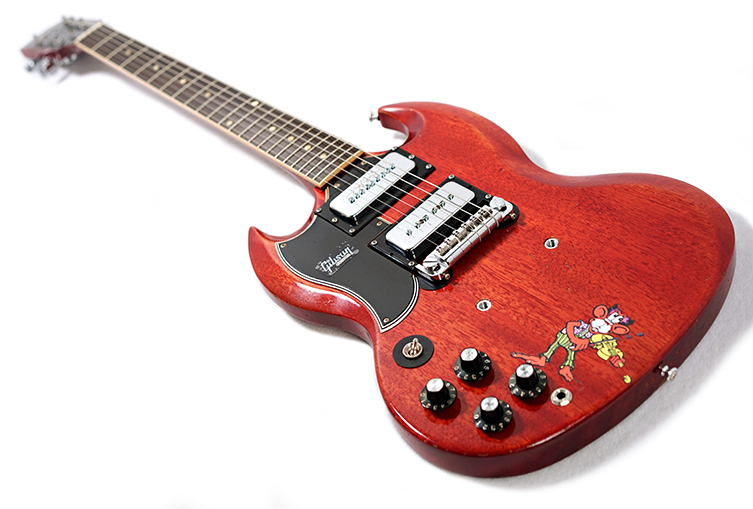
What it is: A red Gibson SG Special, fitted with a P-90 in the bridge and a custom John Birch single coil in the neck.
Why it’s used: After a Strat pickup failed during the Black Sabbath sessions, this SG became Tony’s main guitar.
What it does:
- P-90s deliver a raw, mid-heavy growl — perfect for doom-laden riffs
- Lighter body and deep cutaway for easy access and comfort
- “Monkey” sticker added — it stuck, just like the sound
Significance:
This is the guitar that defined Paranoid, Master of Reality, and beyond. Iommi’s signature tone — thick, articulate, and menacing — was largely born here.
JayDee “Old Boy” Custom SG

What it is: A custom-built SG with cross inlays and high-output pickups.
Why it’s used: Built to Iommi’s specs to replace aging vintage guitars on tour.
What it does:
- Higher fret access and scalloped frets for smoother lead playing
- Designed to handle drop tunings with stability and clarity
Significance:
This has been Iommi’s main stage guitar for decades — you’ll see it on tours, in Heaven & Hell, and even charity gigs like Rock Aid Armenia.
B.C. Rich Ironbird (Custom)

What it is: An ‘80s custom with Dimarzio pickups and onboard preamps.
Why it’s used: Offers a different tone palette and sleek metal look.
What it does:
- Scalloped neck with 24 frets
- Extra tonal shaping via active electronics
Significance:
While not his main axe, this guitar appeared in instructional videos and live performances, proving Iommi isn’t afraid to experiment.
Other Notable Guitars:
- Fender Stratocaster (1960s): Played on “Wicked World,” then sidelined due to a dead pickup
- John Birch Custom SG: Used throughout the Never Say Die! era
- Gibson SG Floyd Rose (Custom): Built for songs like “Mob Rules” that needed tremolo
- Steinberger GM4S: Briefly used live in the late ‘80s — a modern twist
- Epiphone Signature Models: Affordable versions of his signature SG
Amplifiers
Laney Supergroup LA100BL (Original)
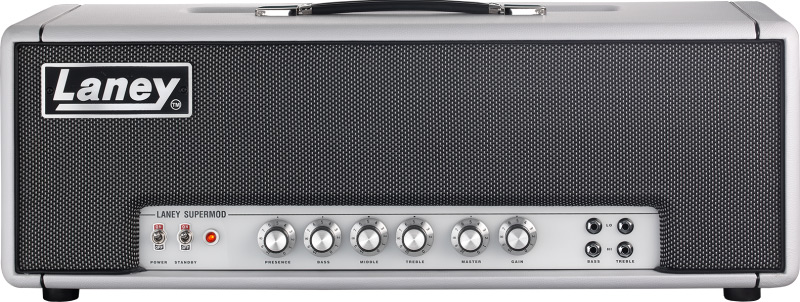
What it is: A British-made 100W amp used from Paranoid through the ‘80s.
Why it’s used: Loud, punchy, and able to handle his massive sound.
What it does:
- Brutal midrange punch
- Simple tone controls let the guitar and fingers do the work
Significance:
Laney and Iommi basically came up together. He stuck with them because they supported him from day one — and the amps just worked.
Laney TI100 (Signature Head)

What it is: A modern, high-gain amp designed to recreate Iommi’s classic tone with more control.
Why it’s used: Consistent tone for big stages and high-gain applications.
What it does:
- Dual channels with selectable EQs
- Designed specifically for doom, sludge, and old-school Sabbath riffage
Significance:
This is what Tony uses onstage now — it’s his tone in a box, dialed in and ready to roar.
Other Amps Iommi Has Used:
- Marshall 1968 Plexi (50W): Pre-Laney days, part of his original Earth rig
- Mesa/Boogie Mark IIB: Used throughout the ‘80s for more gain and versatility
- Sabbath-era Marshall 9005 Power Amps: Rack gear used during early ’90s
- Laney TI15-112: A smaller practice amp designed for home and backstage
Pedals & Effects
Dallas Rangemaster → Analog Man Beano Boost

What it is: A treble booster that adds bite and mids — replaced by Beano Boost in later years.
Why it’s used: Helps push tube amps into natural saturation.
What it does:
- Boosts upper mids and treble
- Makes riffs sound more aggressive, especially in dropped tunings
Significance:
This simple circuit is the secret behind many of Iommi’s tight, focused rhythms. The Laney TI-BOOST is a modern version of this exact sound.
Boss OD-1 Overdrive

What it is: A classic overdrive used to push his amps harder.
Why it’s used: Adds extra bite without fuzzing out the tone.
What it does:
- Smooth clipping for solos and sustain
- Tightens low-end, making riffs more focused
Tycobrahe Parapedal Wah
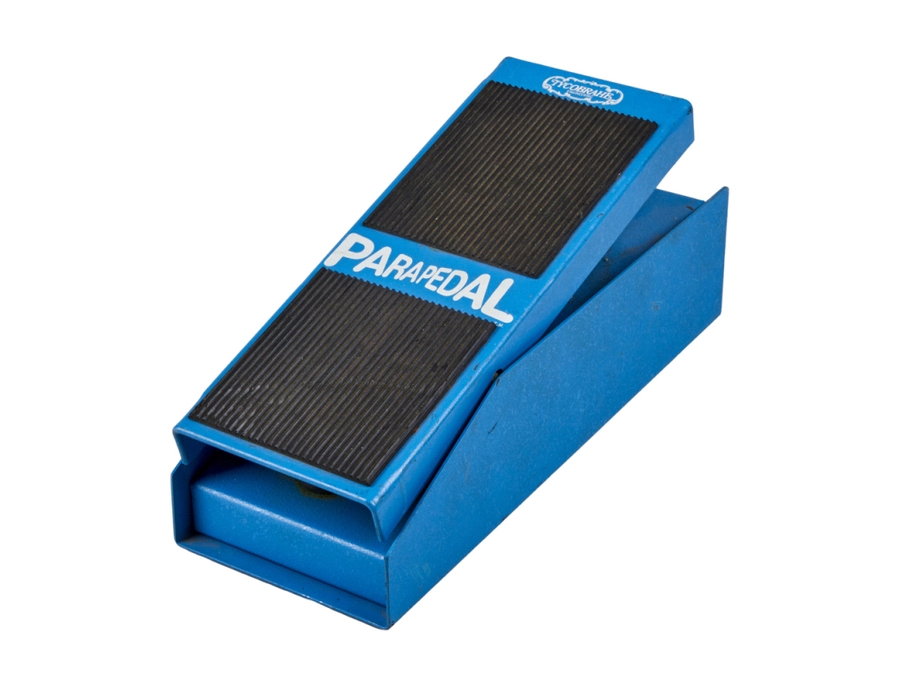
What it is: A rare vintage wah with a unique sweep.
Why it’s used: Iommi’s go-to wah for solos.
What it does:
- Focused wah sweep with deep midrange growl
- Adds vocal-like expression
Fun Fact:
This pedal is so rare that clones now exist — look up the “Parachute” if you want to get close.
Other Pedals:
- Laney TI-BOOST: Modern take on his Rangemaster tone
- MXR Phase 90: Phaser for added swirl in lead tones
- Line 6 MM4 Modulation Modeler: Used during Heaven and Hell era
- La Bella Custom Strings: He uses incredibly light gauges to accommodate his finger injury
- D# tuning: .008, .008, .011, .018, .024, .032
- C# tuning: .009, .010, .012, .020, .032, .042
Iommi’s Signature Sound: Why It Works

So how do you get that sound? It’s not just gain or low tuning — it’s about balance:
- High-output pickups + treble boost + cranked tube amp = thick but cutting
- Light strings + low action = easy bends and fast vibrato
- Mid-focused EQ + simple amp tone controls = lets riffs speak clearly
- Minimal effects = tone comes from fingers, not a pedalboard circus
Wrapping Up…
Tony Iommi didn’t just create heavy metal he inspired everybody from James Hetfield to Josh Homme and Adam Jones. His gear choices were always functional, often simple, but incredibly deliberate. From modified SGs to custom-voiced boosts, everything he used served the riff.
If you’re chasing Iommi’s tone, don’t just look for high gain. Think about how to make each chord feel like it weighs a ton, and still cut through the mix. Oh, and make sure you keep it nice and slow and leave plenty of space between your notes.


