

Tim Henson’s guitar rig is purpose-built to jump from modern metal to classical fingerpicking and trap beats without skipping a beat.
Every piece in his setup was chosen with a clear goal: flexibility, tone clarity, and the ability to sound like no one else.
Below is a full breakdown of his gear, grouped by category, with notes on how he uses each item, why it’s useful, and what it brings to the table.
Guitars
Ibanez SC500N

- Use: Studio recordings and acoustic fingerstyle parts
- Specs: Nylon-string, solid spruce top, mahogany body, built-in preamp
The Ibanez SC500N is one of those rare guitars that manages to bridge the gap between two very different worlds—classical warmth and modern playability.
Built between 1998 and 2000 in Japan, it was Ibanez’s take on what a nylon-string guitar could be if you stripped away the traditional limitations and made something stage- and studio-ready for today’s players.
At its core, the SC500N is still a classical guitar. It’s got nylon strings, a solid spruce top, and mahogany back and sides, a combo that delivers articulate mids, crisp highs, and a rounded low end.
But where most classical guitars stick with wide necks and zero electronics, this one takes a sharp left turn.
For starters, it’s built with a slim, comfortable neck—closer to what you’d find on an electric than a traditional classical. That alone makes it instantly familiar for players coming from shredders or strats.
The cutaway body gives you full access to the higher frets, making it ideal for fingerstyle work, jazz voicings, or anything that requires upper-register play. Basically, it feels like a guitar built by someone who actually plays live.
The onboard Ibanez AEQ-SP1 preamp and piezo system is another standout feature. Instead of having to mic it up or deal with feedback from stage monitors, you just plug it in and go.
The preamp has EQ controls built in, so you can tweak your tone on the fly without touching your amp or PA. It’s consistent, clean, and surprisingly rich for a nylon-string setup.
And it doesn’t hurt that it looks great, either.
Pros:
- Warm, articulate tone with strong low-mids
- Feedback-resistant thanks to the onboard electronics
- Perfect for classical and Latin-inspired textures
Cons:
- Less versatile than steel-string guitars
- Not ideal for high-gain use
Why Useful: Adds a unique flavor to Polyphia’s sound—especially for intricate fingerstyle passages that need clarity and depth.
Typical Tone: Soft, round, articulate
Practical Use: Studio tracking, clean intros, acoustic layering
Ibanez AZ “Clitoris Pink” Prototype
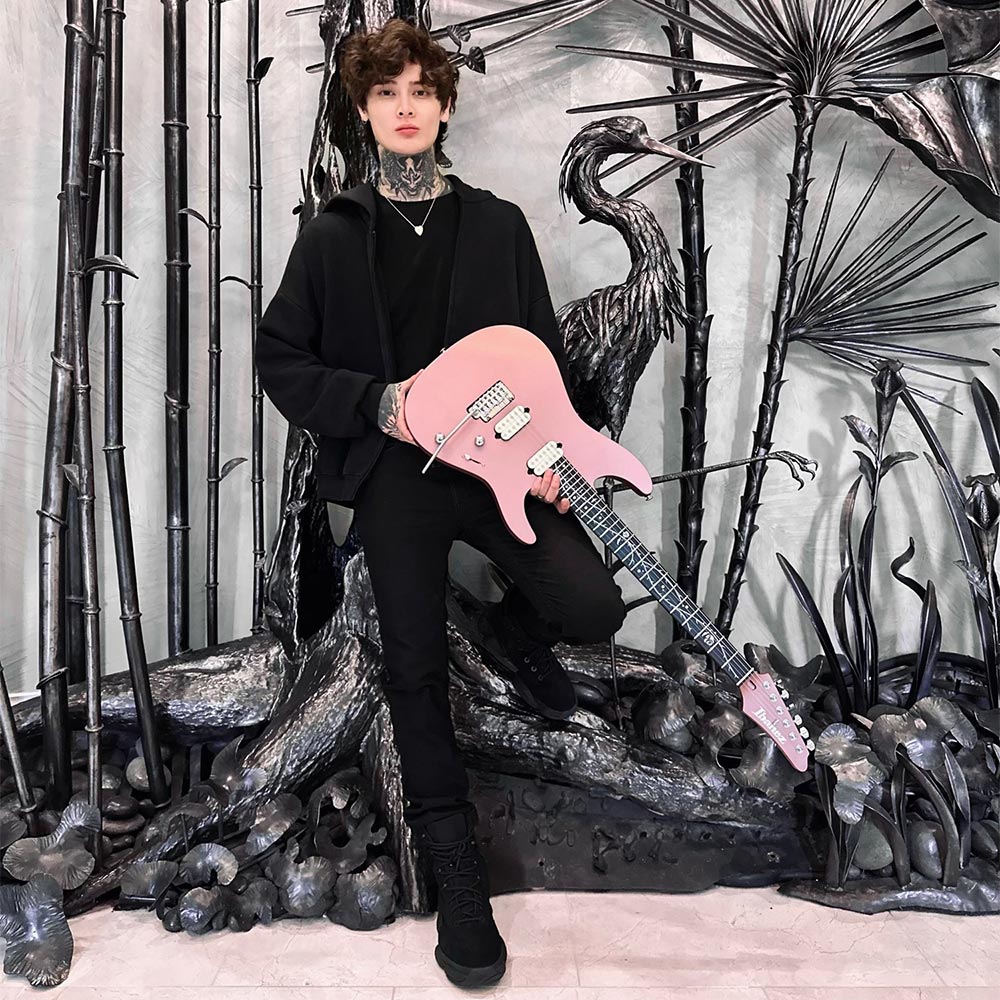
- Use: Live and studio experimentation
- Specs: Satin pink finish, LA Custom Shop build, AZ platform
Before Tim Henson had a signature model, before the THBB10 or TOD10 ever hit the market, there was this: the Ibanez AZ “Clitoris Pink” Prototype. Built in collaboration with the Ibanez LA Custom Shop, this guitar is more than just a flashy one-off—it’s a blueprint. A bold, oddball prototype that directly shaped what would become some of the most talked-about signature guitars in recent years.
So what makes it stand out?
To start with, it’s one of the first six AZ prototypes ever made. That alone gives it historical weight. But then Tim had it refinished in a custom satin pink—a color he cheekily dubbed “Clitoris Pink.” Between the color, the name, and the artist behind it, this guitar took on a life of its own almost instantly. It’s been featured in live videos, fan forums, and gear rundowns ever since.
Under the paint, though, it’s still a serious instrument. The AZ platform was introduced by Ibanez as a modern answer to the Strat—something comfortable, versatile, and designed with player feedback in mind. The alder body keeps it lightweight and balanced, while the S-TECH roasted maple neck with its “oval C” profile makes it feel broken-in from day one.
Pros:
- Extremely versatile electronics and tonewoods
- High-end build quality
- Basis for Tim’s later signature models
Cons:
- One-of-a-kind, not commercially available
- Can be visually polarizing
Why Useful: Helped shape the final THBB signature model. Built for feel, tone variety, and standout looks.
Typical Tone: Balanced, dynamic, responsive
Practical Use: All-purpose lead/rhythm work in early Polyphia performances
Ibanez RG350MDX

- Use: Early Polyphia material and live gigs
- Specs: Basswood body, Wizard III neck, high-output pickups, double-locking trem
The Ibanez RG350MDX is one of those guitars that punches way above its price tag. Designed as part of the long-running and much-loved RG series, it brings pro-level specs to the table without draining your wallet. If you’re into fast leads, palm-muted riffs, and divebombs that stay in tune, this is a guitar worth looking at.
So what makes it stand out in the crowded “superstrat” world?
Let’s start with the neck. The RG350MDX features the Wizard II maple neck, which is slim, fast, and built for technical playing. It’s paired with a maple fretboard and 24 jumbo frets, giving you a full two octaves of access with smooth navigation thanks to the iconic sharktooth inlays. This combo is tailor-made for modern metal and shred players who need comfort and reach.
The body is basswood, which keeps things light and resonant. Tonally, basswood gives you a balanced EQ curve, enough low-end thump for chunkier riffs, but still articulate enough for clean tones and lead work. Whether you’re running through a clean chorus patch or slamming through high-gain rhythms, this guitar holds its own.
Electronics-wise, it sports an HSH pickup configuration with Ibanez’s INF pickups. That means you get a bridge humbucker for bite, a neck humbucker for warmth, and a single coil in the middle for sparkle. This setup gives you access to everything from scooped-metal tones to glassy clean funk sounds, no problem covering multiple genres in one set.
Then there’s the Edge III tremolo system. It’s a double-locking design, which means you can go wild with pitch tricks: dive bombs, flutters, squeals, and still stay in tune. It’s not as premium as a Floyd Rose Original, but it’s rock-solid for the price and more than reliable for rehearsals, recordings, or live shows
Pros:
- Fast neck for technical playing
- Stays in tune under abuse
- Affordable and durable
Cons:
- Stock pickups can sound a little flat
- Less nuanced than higher-end models
Why Useful: Workhorse for early EPs—reliable for tight riffing and lead parts.
Typical Tone: Sharp, aggressive, focused
Practical Use: High-speed solos, heavy rhythm work
Ibanez THBB10 (Tim Henson Signature)
![IBANEZ THBB10 Premium Tim Henson Signature Black [SN I230214759]](https://www.electrikjam.com/wp-content/uploads/2025/07/s-l1200-2.jpg "Tim Henson Gear Guide: Guitars, Amps, Plugins & More...")
- Use: Main live and studio guitar
- Specs: Custom pickups, roasted maple neck, gold hardware
The Ibanez THBB10 isn’t just another signature guitar slapped together with some custom pickups and a flashy finish. It’s a carefully engineered instrument built to support the kind of musical gymnastics that define Tim Henson’s style—fluid legato runs, tapped harmonics, hybrid picking, and genre-hopping tone shifts. Based on the trusted Ibanez AZ platform, the THBB10 takes everything good about that design and tweaks it for even more clarity, stability, and flexibility.
If you’ve listened to Polyphia, you already know the kind of tonal and technical demands Tim’s music puts on a guitar. This one was made to keep up.
Roasted Maple Neck & Fingerboard
The neck is built with Ibanez’s Oval C profile, but the magic is really in the roasted maple. It’s incredibly stable and resistant to humidity and temperature changes—plus it feels broken-in from day one. The 24 jumbo stainless steel frets mean smooth bends, easy slides, and long-term durability. Radius? A comfortable 12 inches, which strikes a balance between lead playing and clean chord work.
Custom DiMarzio THBB Pickups (HSS)
This is where a lot of the guitar’s character comes from.
- Neck and middle single coils are clean, dynamic, and vintage-voiced
- Bridge humbucker is tight, focused, and articulate even under gain
The HSS configuration gives you access to traditional Strat-like tones, but with a modern edge and more output when you need it. And yes, there’s coil-splitting, so your clean tone options go even deeper.
Gotoh Hardware Across the Board
- Gotoh T1502 tremolo bridge for expressive pitch work
- Gotoh MG-T locking tuners for rock-solid tuning
- Graph Tech nut keeps things smooth at the headstock
This is a rig-ready build that doesn’t flinch when you hit the whammy bar or lean into aggressive techniques.
Pros:
- Designed for clarity and articulation
- Comfortable neck profile
- Eye-catching design
Cons:
- Limited pickup combinations compared to some AZ models
Why Useful: Tim’s main guitar—engineered for precision, tone clarity, and visual identity.
Typical Tone: Warm, punchy, smooth
Practical Use: Everything from trap-metal leads to jazzy cleans
Ibanez THBB8 (8-String Prototype)

- Use: Studio experimentation with extended range
- Specs: 8-string custom build
The Ibanez THBB8 isn’t something you’ll find hanging on a wall at your local guitar store. Built as a one-off custom prototype by the Ibanez LA Custom Shop, this extended-range instrument is Tim Henson’s personal testbed for pushing the limits of the THBB series into 8-string territory.
If you’re already familiar with the 6-string THBB10, imagine all of that guitar’s comfort, precision, and tone—now stretched across a broader frequency range with two extra low strings, a multiscale neck, and custom hardware. It’s not just a modified version, it’s a serious evolution.
But it’s built to go lower and wider, giving Tim room to explore deeper tunings, layered harmonies, and polyrhythmic riffs with the added range of F# and B strings.
Multiscale Neck Design (Fanned Frets)
One of the biggest upgrades is the multiscale (fanned fret) neck, which balances string tension across the wide frequency range.
- Low strings stay tight and clear
- High strings remain easy to bend and fret
This makes complex chord voicings and quick runs feel more natural, even on a neck this wide.
High-Output, Extended-Range Pickups
While the exact model details haven’t been made public, the THBB8 is loaded with pickups specifically voiced to maintain clarity and articulation across all 8 strings. Whether you’re palm-muting open F# riffs or arpeggiating through clean chord stacks, the notes stay defined.
Custom Bridge and Hardware
The hardware draws from Ibanez’s RG series—likely a fixed or specialized trem bridge setup customized to fit the THBB aesthetic. Locking tuners, a Graph Tech nut, and rock-solid hardware help keep the guitar in tune even under aggressive play.
Pros:
- Opens up low-end harmonic space
- Great for modern progressive styles
- Unique voicing potential
Cons:
- Steep learning curve
- Not suited to all genres
Why Useful: Lets Tim explore new rhythmic and harmonic ideas. Crucial for pushing Polyphia’s sound.
Typical Tone: Deep, resonant, textural
Practical Use: Complex harmony layers, polyrhythmic playing
Additional Ibanez Guitars
- AZ Sparkle Blue Prototype: Used for tone and visual experimentation
- RG652AHM / S5521Q / Talman Prestige / AZ2402 ICM & TFF: Each adds its own pickup/electronic/wood combo
- RG852MPB (8-String): Frequently used live, great sustain and low-end clarity
Why Useful: These secondary guitars help Tim match tone and feel to different setlists or recording styles.
Nylon-Electric Hybrids
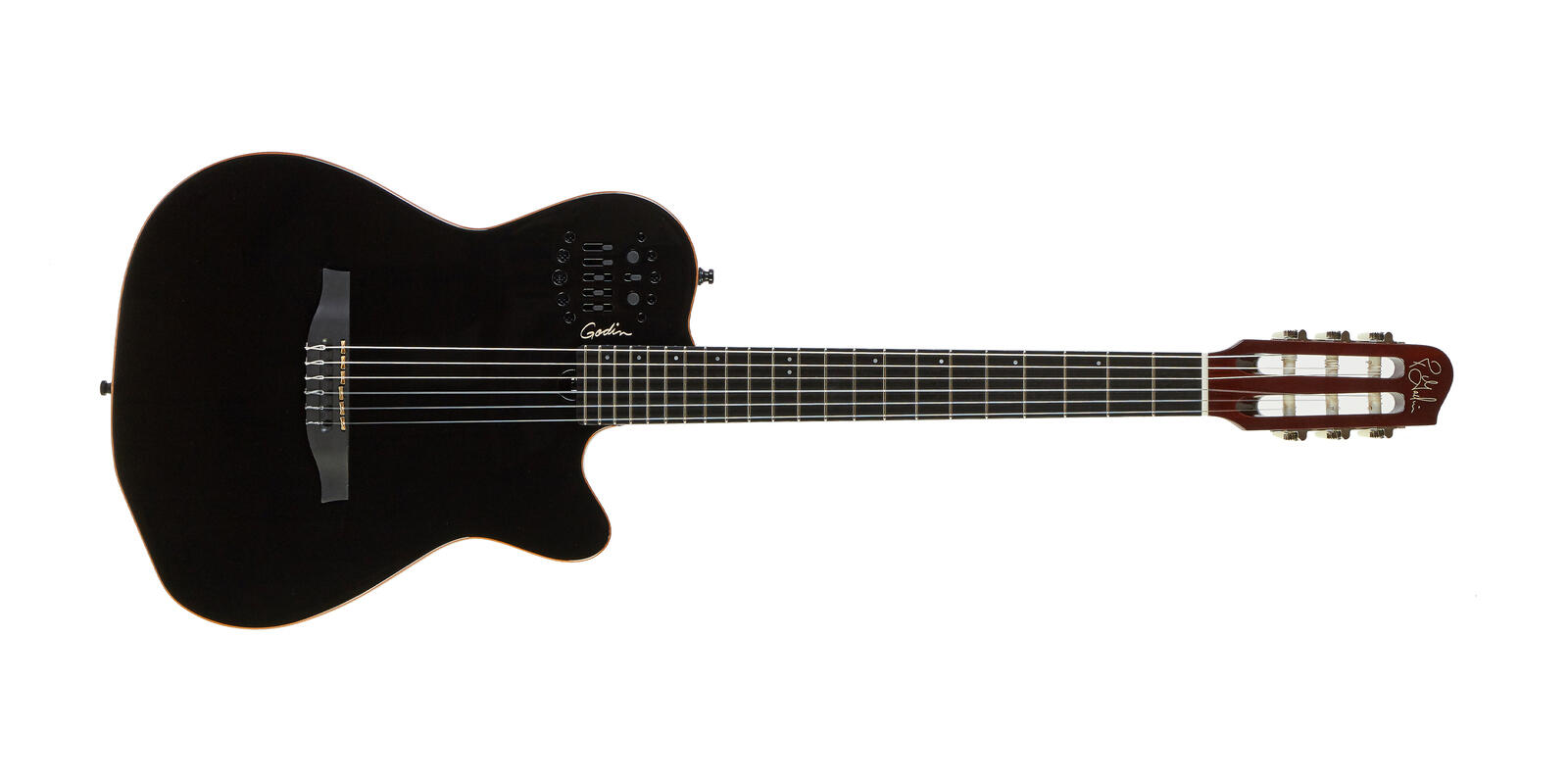
- Models: Godin Multiac ACS-SA / Takamine TC132SC
- Use: Live classical parts and hybrid acoustic sets
Pros:
- Advanced electronics prevent feedback
- Nylon warmth with modern utility
Cons:
- Limited tone shaping on board
- Not suited to high-gain setups
Why Useful: Allows classical technique with modern production tools.
Typical Tone: Smooth, mellow, detailed
Practical Use: Acoustic sets, fingerstyle sections, fusion arrangements
Ernie Ball Music Man JP6 BFR

- Use: Sessions and touring
- Specs: High-end pickups, figured maple top
Pros:
- Versatile tones across clean and gain-heavy settings
- Excellent tuning stability
Cons:
- Expensive
- Less “personal” than Tim’s Ibanez models
Why Useful: Strong session guitar with massive range—ideal backup or alternate tone machine.
Typical Tone: Crystal clean to saturated lead
Practical Use: All-purpose recording and live backup
Amplifiers and Cabinets
Orange Dark Terror
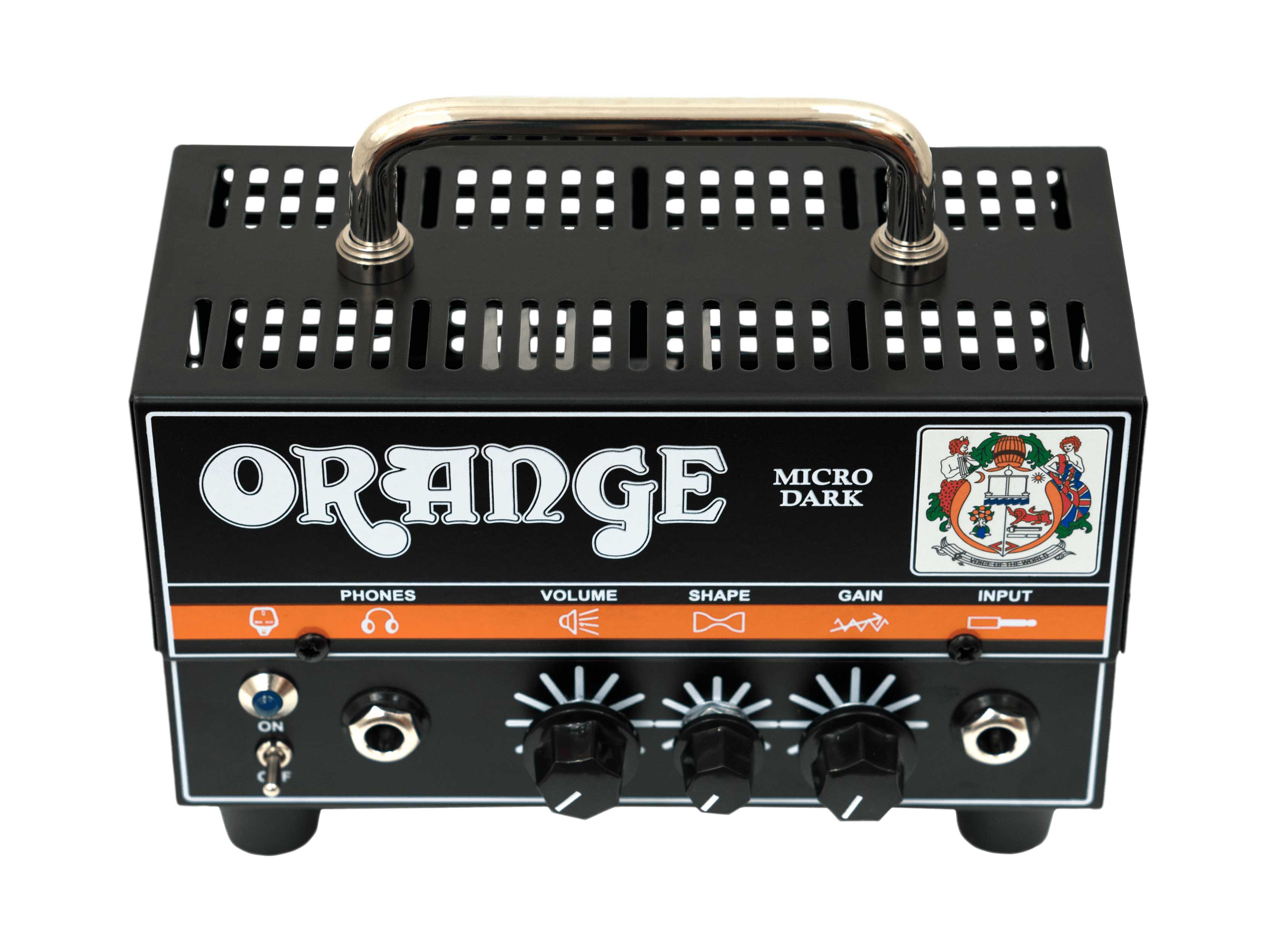
- Use: Studio and small venue gigs
- Specs: 15-watt tube head
Pros:
- Aggressive, mid-forward tone
- Portable and reliable
Cons:
- Low wattage limits headroom
- One-trick pony for some players
Why Useful: Delivers tight, modern gain in a small package.
Typical Tone: Focused, biting, saturated
Practical Use: Metal tones in compact setups
EVH 5150III 50W 2×12 (White)

- Use: Main combo for rehearsals and live
- Specs: All-tube, 3-channel amp
Pros:
- Articulate high gain
- Built-in flexibility
Cons:
- Heavy and not very portable
- Can overpower smaller venues
Why Useful: High-output, stage-ready combo with pro tone.
Typical Tone: Thick, clear, harmonically rich
Practical Use: Live performances, studio tracking
Orange PPC412-C Cabinet
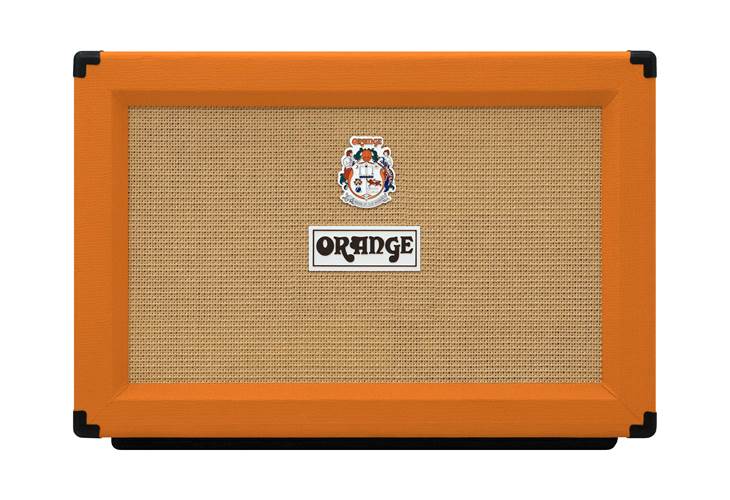
- Use: Full rig extension
- Specs: 4×12, 240W, Celestion speakers
Pros:
- Massive projection
- Matches well with Orange heads
Cons:
- Extremely heavy
- Not practical for small rooms
Why Useful: The real deal for live punch and studio wall-of-sound.
Typical Tone: Deep, loud, present
Practical Use: Large shows, serious tone stacking
Positive Grid Spark
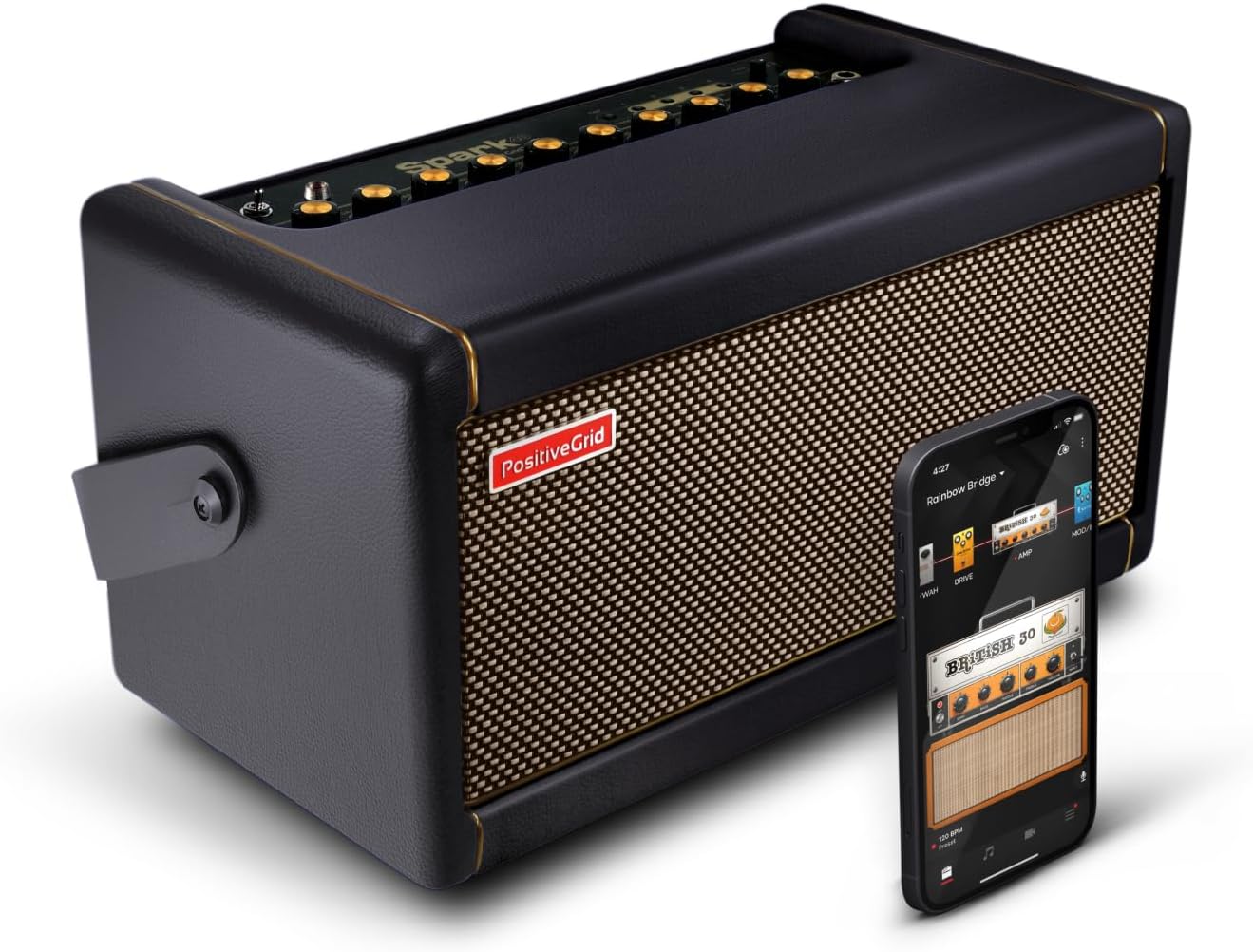
- Use: Practice, writing, demoing
- Specs: Smart modeling amp with Bluetooth
Pros:
- Versatile tone options
- Portable and easy to use
Cons:
- Not gig-ready
- Limited real-world amp feel
Why Useful: Great for writing ideas quickly without needing a full rig.
Typical Tone: Depends on model—flexible and user-friendly
Practical Use: Bedroom jamming, pre-production
Effects & Processors
Fractal Axe-Fx II

- Use: Studio and live digital rig
- Specs: Rackmount modeler and processor
Pros:
- High-fidelity amp and effect modeling
- Reliable preset-based setup
Cons:
- Not floor-based
- Slight learning curve
Why Useful: Delivers repeatable, complex tone setups anywhere.
Typical Tone: Studio-polished, flexible
Practical Use: Tours, controlled recording sessions
Neural DSP Quad Cortex
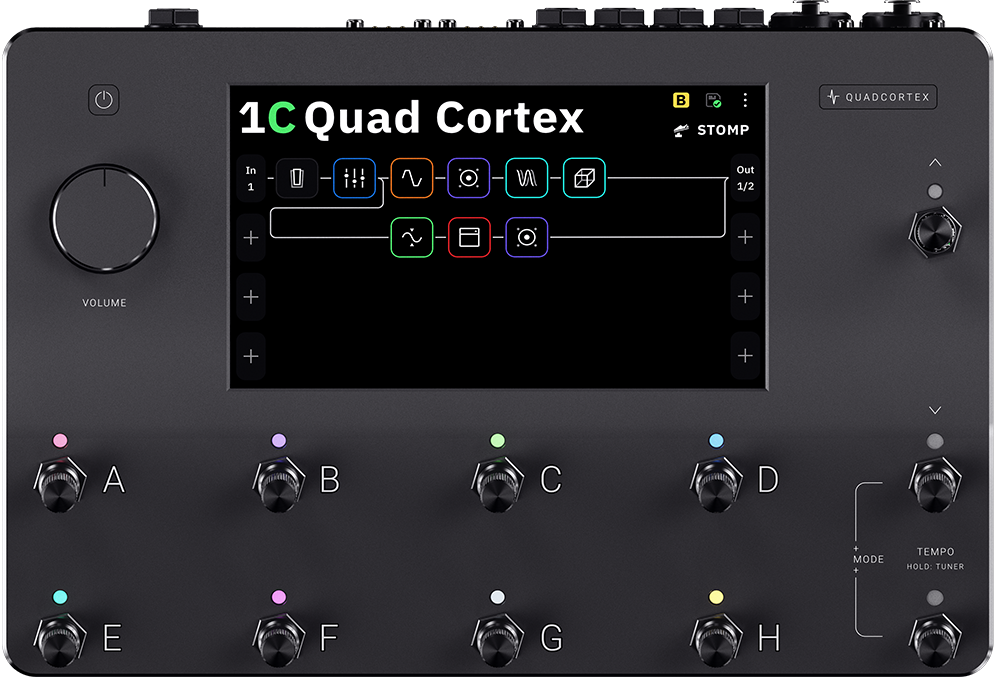
- Use: Modern replacement for Axe-Fx in live setups
- Specs: Floor-based amp/cab/effects modeler
Pros:
- Accurate tone capture
- Huge processing power
Cons:
- Expensive
- Limited IO for some rigs
Why Useful: Nail album tones on stage with plug-and-play speed.
Typical Tone: Detailed, reactive, consistent
Practical Use: Live shows, fly-rig convenience
Core Pedals
MXR GT-OD Overdrive

- Adds warmth and sustain
- Useful for boosting lead tones
Boss PQ-4 Parametric EQ

- Shapes mids for clarity
- Fixes amp or room EQ issues
Way Huge Supa-Puss Delay

- Rhythmic, analog-style delay
- Adds texture to solos and ambient parts
Chase Bliss Blooper

- Looper with deep manipulation features
- Great for practice or live loops
Recording & Plugins
Neural DSP Archetype: Abasi

Use: Tracking modern progressive tones
Pros:
- Built-in presets tailored for technical guitar
- Fast tone dialing
Cons:
- Slightly specialized—less good for classic tones
Why Useful: Instant access to tones that match Tim’s style and playing speed.
Positive Grid Bias FX

Use: Quick demos and tone shaping
Pros:
- Intuitive interface
- Flexible chain building
Cons:
- Requires a decent interface to shine
Why Useful: Go-to plugin for building and testing tones fast.
DAW: Cockos REAPER

Use: Main recording platform
Pros:
- Lightweight, customizable
- Great for complex editing
Cons:
- UI can feel barebones to beginners
Why Useful: Lets Tim record, edit, and build complex sessions with minimal friction.
Accessories
Dunlop Polyphia Signature Tortex 1.14mm

Pros:
- Sharp tip = fast picking
- Just enough flex for control
Cons:
- Can feel stiff for players used to thinner picks
Why Useful: Helps pull clarity and speed from complex passages.
Practical Use: Fast, technical playing that demands precision
Summary: How It All Adds Up
Tim Henson’s rig is as multi-dimensional as his playing. From classical nylon-string guitars to modern modelers and signature electrics, everything in his setup exists for a reason: clarity, tone range, and absolute control.
What makes his gear choices stand out isn’t the price tags, it’s how well each piece matches the sound he’s chasing. There’s a lesson in that for any player trying to carve out their own voice.
Don’t chase trends and hype, follow your sound. Try out lots of different types of gear and see how they fit together. This is how you create a truly unique sound and it is what all the greats from Jimi Hendrix to Adam Jones have done to make their guitar sound totally unique.


