

Adam Jones’s tone is instantly recognizable: tight, massive, orchestral, and layered. His approach to guitar isn’t just about riffs; it’s about building entire sonic worlds, from clean, eerie textures to crushing walls of distortion.
Every piece of his rig plays a role in supporting that vision, and most of it is a careful blend of old-school muscle and modern flexibility.
Let’s dig into the gear that powers the Tool guitarist’s sound — covering how it works, why it matters, and what makes it so effective.
AmplifiersMesa/Boogie Dual Rectifier 100W 3-Channel Solo Head

What it is: A high-gain, three-channel 100-watt tube amp with a massive reputation in heavy music.
Why it’s used: Offers a wide tonal range — from clean to saturated distortion — with three footswitchable channels (Clean, Vintage, Modern). Power scaling (50W/100W) makes it flexible for both studio and stage.
Significance: The amp is known for tight low end and rich harmonic overtones, providing the aggressive core of Jones’s sound. Its versatility and effects loop allow him to build complex signal chains and switch textures fluidly mid-song.
Diezel VH4 / Blueface VH4

What it is: A high-end 100-watt German tube head with four channels.
Why it’s used: Delivers incredibly articulate gain, even with complex chord voicings and low tunings. Maintains clarity under heavy distortion.
Significance: Used in tandem with the Marshall Super Bass, the VH4 gives Jones razor-sharp modern tones, making up one half of the dual-amp recipe behind Tool’s layered guitar sound.
Marshall Super Bass (1976)
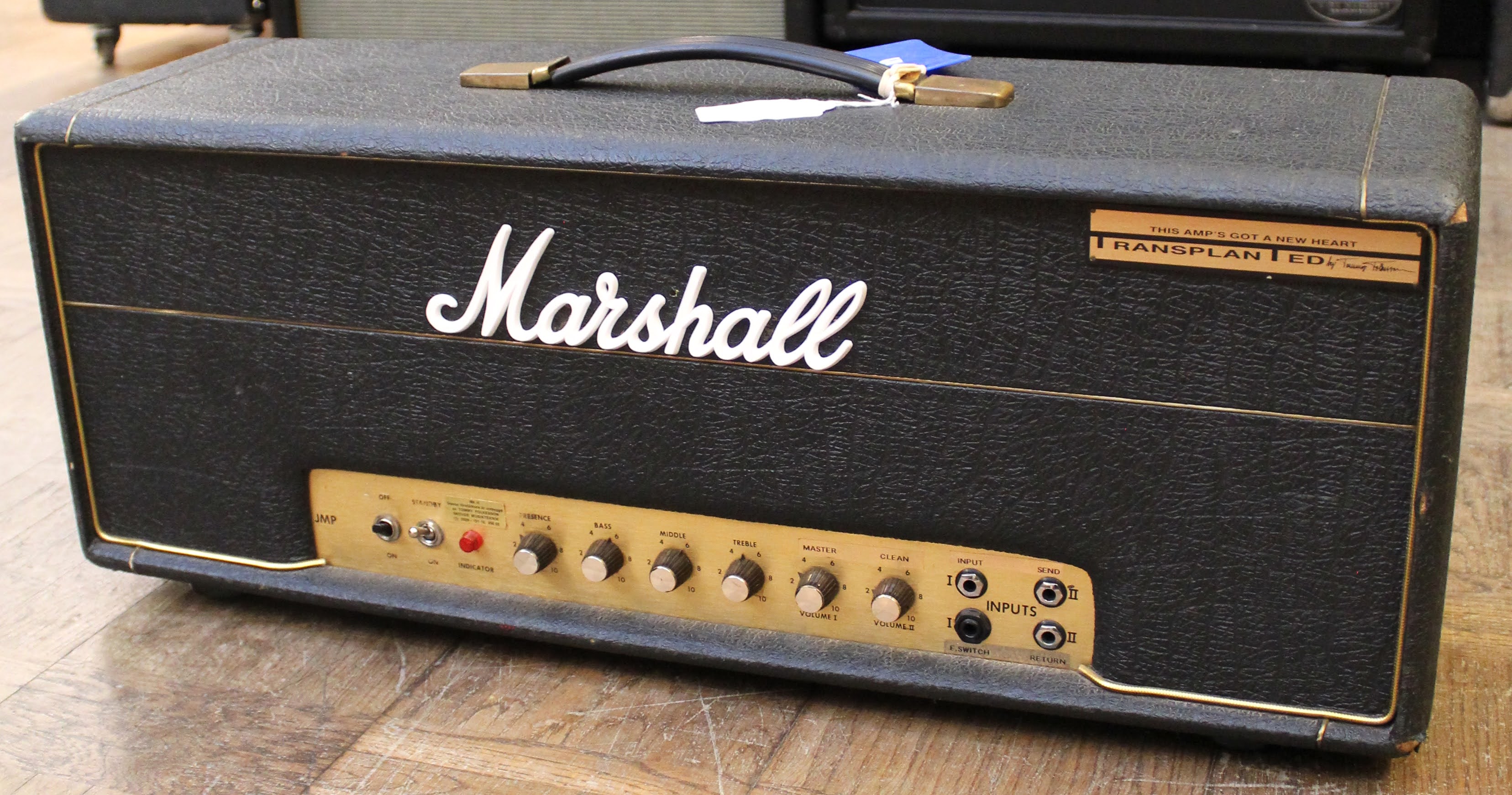
What it is: A vintage British tube head, originally built for bass but adapted by guitarists for its fat, raw tone.
Why it’s used: Adds vintage warmth and body to the otherwise aggressive rig.
Significance: Combined with modern amps like the VH4 or Dual Rectifier, it creates a tonal blend of old-school thump and modern definition — foundational to Jones’s layered sound on stage and in the studio.
Mesa/Boogie Vintage PowerHouse 2×15 Bass Cabinet

What it is: A large bass cab with two 15” speakers.
Why it’s used: Though built for bass, Jones uses it for guitar to push massive low-end frequencies that smaller cabs can’t handle.
Significance: A key reason Tool’s guitar tone feels so massive live. It adds serious depth and dimension to distorted parts without muddying them.
Guitars
Gibson Les Paul Custom (Silverburst 1979) / Les Paul Classic Custom
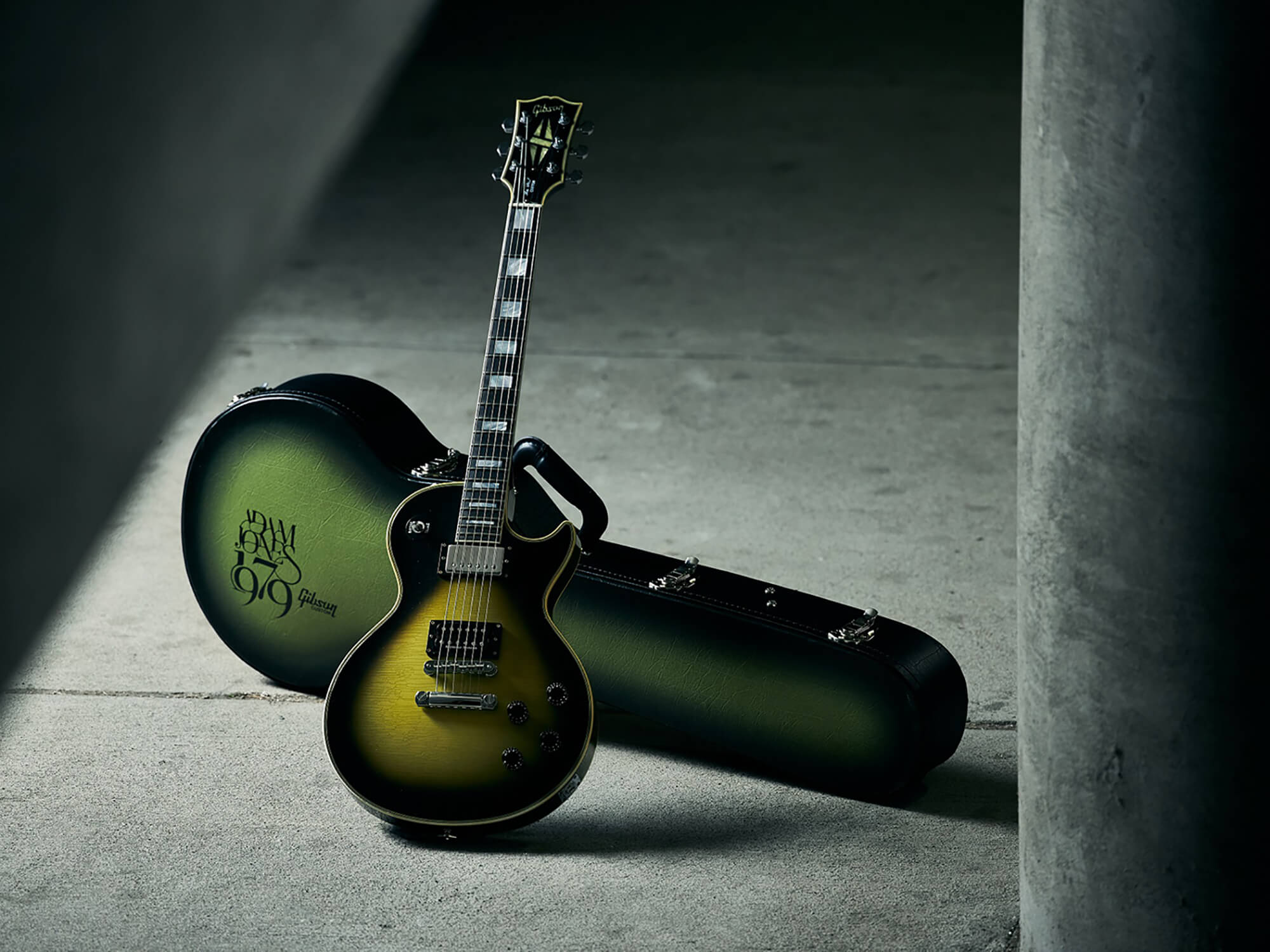
What it is: Solid-body mahogany guitars with maple tops and dual humbuckers.
Why it’s used: The weight and tonewood combo gives singing sustain, rich mids, and tight low end. The Silverburst has become iconic to Jones’s image and sound.
“I use drop-D because I like to have an evil tone, and I can get a lot of weird sounds and textures by simply moving my fingers around. After I had been playing drop-D for a while, I started doing drop-B, and then, on the song Parabola, I tried drop-B/E. It’s normal 440 tuning, but the E string is dropped to B and the A string is dropped to E. It’s even more evil-sounding than drop-D.”
Adam Jones (Interview From Early-2000s)
Significance: His 1979 Silverburst is his main guitar — it’s central to his sound both visually and tonally. Known for its powerful yet nuanced tone, it’s heavily associated with Tool’s sonic identity.
Other Guitars: Gibson SG, Marauder, EDS-1275 Double-Neck
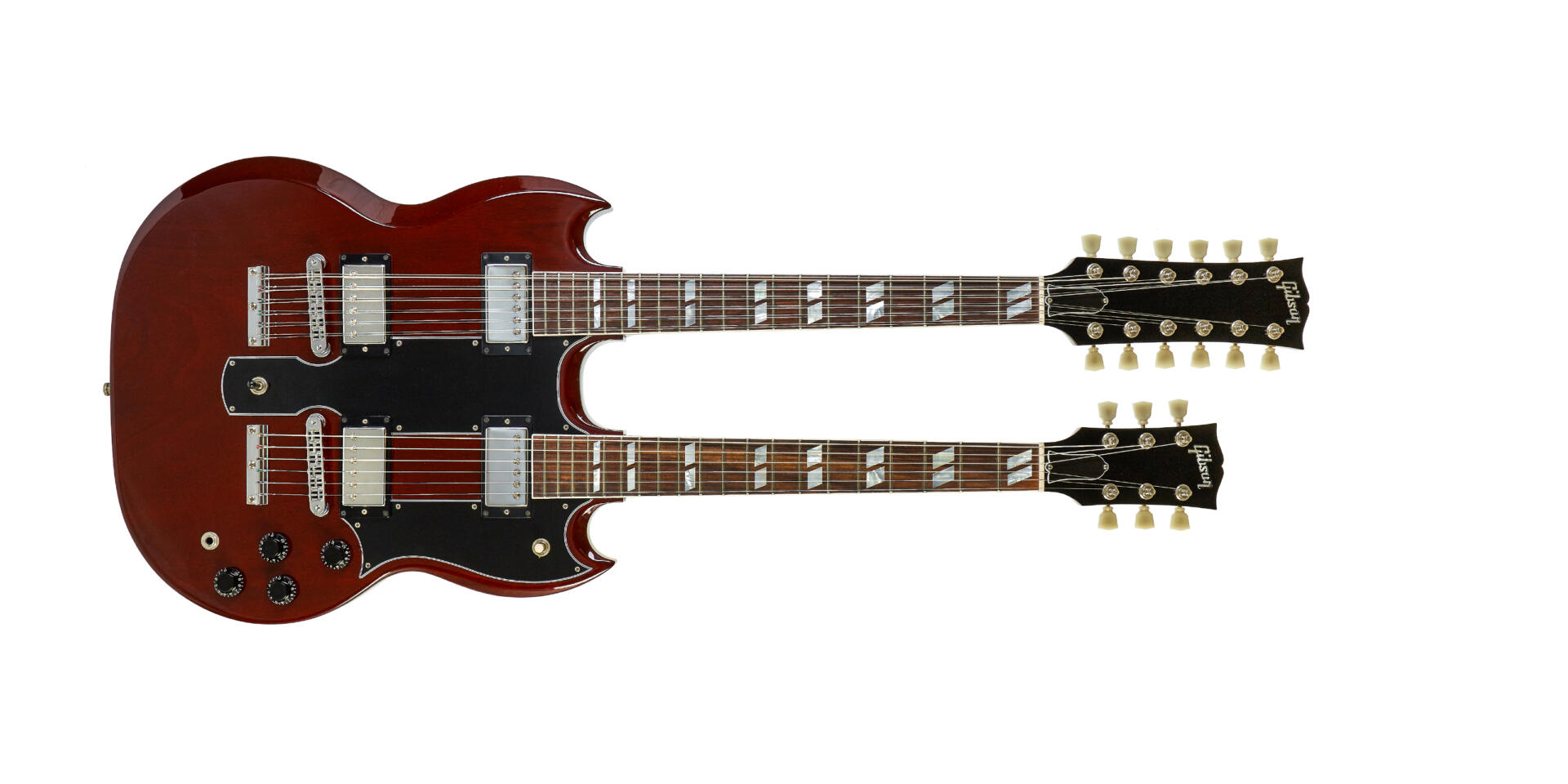
Why they’re used:
- SG: For overdubs or parts needing more midrange bite.
- EDS-1275: Double-neck (6- and 12-string) for live arrangements requiring both.
- Marauder: Used for textural studio work.
Significance: These serve niche roles in shaping layered parts and alternate tunings when needed.
Pickups and Strings
Seymour Duncan SH-6B Distortion & SH-5 Custom

What they are: High-output humbuckers designed to cut through distortion while retaining note clarity.
Why they’re used: Boost amp input, increase sustain, and maintain clarity under high-gain conditions.
Significance: Perfect for Jones’s thick, articulate riffing. Even when chords are drenched in gain, the notes remain defined.
Ernie Ball Skinny Top Heavy Bottom Slinky Strings (.010–.052)

What they are: Hybrid gauge strings — light treble, heavy bass.
Why they’re used: Combines flexibility for soloing and bending with tight, punchy low end for riffs.
Significance: Helps Jones maintain definition and feel in alternate tunings, supporting both lead lines and dropped, palm-muted rhythms.
Effects Pedals
MXR Dyna Comp

Use: Compressor pedal that smooths peaks and adds subtle sustain.
Why it matters: Evens out dynamic clean parts and boosts signal for effect-heavy chains.
Boss BF-2 / BF-3 Flanger

Use: Swirling modulation for ambient or industrial-like textures.
Why it matters: A staple in Tool’s clean and “air-moving” sections. Adds a metallic swirl that’s become a signature sound in songs like “Lateralus.”
Boss DD-3 Digital Delay

Use: Clean, rhythmic repeats and echo effects.
Why it matters: Creates spaciousness and rhythmic depth. Often paired with Jones’s flanger for complex ambient textures.
Dunlop Heil HT1 Talk Box

Use: Shapes the guitar tone using vocal-style filtering through the mouth.
Why it matters: Heard most famously on “Jambi.” It adds a vocal-like phrasing that stands out live and on record.
DOD FX40B / Boss GE-7 EQ
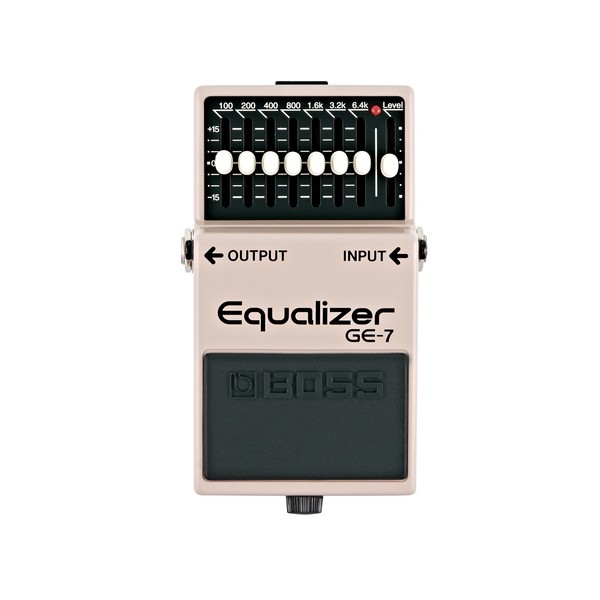
Use: Graphic EQs for frequency sculpting.
Why it matters: Allows Jones to fine-tune his tone across different amp setups, especially when blending multiple amps with different voicings.
Goodrich 120 Volume Pedal

Use: Manual volume control for swells and dynamic fades.
Why it matters: Lets Jones perform slow volume rises and control transitions without affecting his overall tone or pedal chain.
Other Essentials
Dunlop Nylon Standard Picks (0.72–0.88mm)
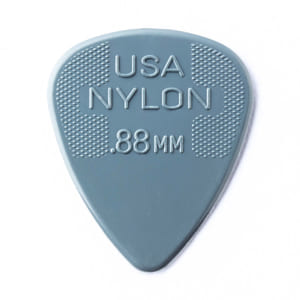
Why they’re used: Balanced flexibility and attack, suited for precise picking, alternate picking, and Jones’s mix of lead and rhythm work.
Rig Philosophy & Approach

Amp Blending for Texture
Jones combines amps to layer different frequencies and tonal colors — the Marshall for warmth and growl, the Diezel for precision, and the Mesa for tight modern gain. Each amp contributes to the total picture rather than acting alone.
Pedalboard as Texture Engine
Rather than relying on extreme modulation or wild effects, Jones uses pedals like the flanger and delay to shape atmosphere and depth. The focus is on movement and subtlety, not chaos.
This is what brings the ambiance to TOOL’s music. Combined with Carey’s complex drumming patterns, the end result is why TOOL sounds like no one else.
EQ and Compression as Control Tools
Instead of stacking heavy distortion, Jones uses compressors and EQs to shape his gain and keep the rig tight. It’s more about clarity and contour than raw volume.
Summary: Why It All Works
Adam Jones’s rig is a study in control — massive tone, but every element serves clarity and expression.
The combination of high-end amps, carefully chosen pickups, and targeted effects creates a three-dimensional guitar sound that cuts through Tool’s dense arrangements.
Whether it’s an eerie arpeggio or a detuned riff, the gear is dialed in to support nuance just as much as force.
From boutique amps to battle-tested pedals, every choice reflects intention. And that’s what makes his tone instantly recognizable. It’s not about excess, it’s about balance, and everything used serves the end result: the sound.


