

Stephen Carpenter’s rig is the foundation of Deftones’ massive, low-end-heavy sound. His approach to tone blends crushing riffage with ambient layering, and the gear he uses reflects that balance.
From signature ESP guitars to boutique pedals and digital modelers, everything in his setup is there for a reason.
Here’s a practical breakdown of his core gear—covering use cases, pros, cons, and why each piece matters in the context of his playing.
Guitars
ESP STEF Series (B-7, B-8, B-9, T7B, SCT-607B, Stef-6, Stef-7)

Use: Main guitars across studio and live settings
Features:
- 7, 8, and 9-string models for extended range tuning
- Alder body, maple neck, ebony fretboard
- Neck-through construction for sustain and stability
- Fishman Fluence or EMG active pickups
- Custom finishes and reversed headstocks for stage presence
Pros:
- Excellent tuning stability, especially in low tunings
- Comfortable for long playing sessions
- Tonal versatility for rhythm and lead
- Active pickups handle high gain without noise
Cons:
- Pricey, especially custom shop versions
- Extended-range guitars have a learning curve
Why Useful: Built for low-end clarity and articulation, these guitars are essential for Carpenter’s detuned, textured style.
LTD SC-200QM

Use: More melodic and midrange-heavy songs
Features:
- Semi-hollow design
- Passive pickups for dynamic response
Why Useful: Great for cleaner, more expressive parts without sacrificing bite.
Floyd Rose Original Tremolo System
Use: Used on select guitars for expressive divebombs and pitch shifts
Why Useful: Maintains tuning stability even with aggressive use.
Dunlop Heavy Core Strings
Use: Custom gauges for extended-range guitars
- .011–.069 for 8-string setups
- .011–.050 + extra .11 for 7-strings
Why Useful: Heavy gauges preserve tension, improve clarity in low tunings, and increase durability for Carpenter’s hard-hitting style.
Amplifiers

Orange Amps (Micro Dark, Dual Dark, Tiny Terror Jim Root #4)
Use: Main amp choices for live and studio use
Pros:
- Thick British-style saturation and mid-punch
- Compact heads with powerful tone
- Switchable wattage for flexible setups
Cons:
- Distinctive voicing may not fit every genre
- Lower watt models require proper cab pairing for large venues
Why Useful: Ideal for heavy tones with a clear top end and strong midrange character.
Marshall Amps (JCM800 2203, Marshall 9200, JMP-1, 1960B Cab)

Use: Core tone on earlier Deftones records
Pros:
- Classic crunch and aggression
- Preamps like JMP-1 offer tonal flexibility
- 1960B cabs provide high volume handling with Celestion speakers
Cons:
- Heavy and bulky
- Single-channel designs limit tonal switching without pedals
Why Useful: Defined much of Carpenter’s foundational tone—tight, articulate, and loud.
Peavey 6505 Mini, Bogner Uberschall, Bogner Twin Jet, Fryette 2502

Use: For heavier, more modern sonic profiles
Pros:
- Wide gain range
- Clear, aggressive output for modern metal
Cons:
- Expensive
- Not always necessary for smaller venues
Why Useful: Delivers the aggression needed for the more intense Deftones material.
Digital/Modeling Heads (Line 6 Helix, Positive Grid BIAS Head, Fractal Axe-Fx II)

Use: Modern replacement for heavy tube amp rigs
Pros:
- Wide variety of tones in one box
- Lightweight and portable
- Presets allow fast switching during live shows
Cons:
- Can sound too digital for purists
Why Useful: Offers a cost-effective, travel-friendly rig for touring globally while maintaining tone consistency.
Effects Pedals and FX Units
ZVEX (Machine, Fuzz Factory, Ringtone TT)

Use: Distortion, fuzz, and experimental modulation
Pros:
- Wild and unique sounds
- Boutique-level customization
Cons:
- Steep learning curve
- Not plug-and-play friendly
Why Useful: Adds unpredictable textures and character to songs—great for standout moments or experimental sections.
MXR (Carbon Copy, Micro Chorus, EVH-117 Flanger, M288 Bass Octave, Smart Gate)

Use: Analog modulation, delay, gating, and octave shifting
Pros:
- Easy to use
- Great build quality
- Delivers go-to effects without overcomplicating the board
Cons:
- Some have limited control options (single knob designs)
Why Useful: Reliable tools for building spacious, textured parts on the fly.
Boss (BF-3 Flanger, FZ-2 Hyper Fuzz, TR-2 Tremolo)

Use: Modulation and fuzz tones
Pros:
- Affordable and durable
- Hyper Fuzz is known for extreme, cutting tones
Cons:
- Can be noisy without a gate
- Some models are now rare and expensive
Why Useful: Classic tones that helped shape Deftones’ swirling and pulsing effects.
Strymon (BigSky, Mobius, Timeline)

Use: High-end digital reverb, modulation, and delay
Pros:
- Studio-quality effects
- BigSky and Timeline are go-to for ambient layering
- Mobius covers everything from chorus to rotary
Cons:
- Expensive
Why Useful: Central to Carpenter’s ambient and atmospheric sound design.
Eventide PitchFactor, Rocktron Intellifex
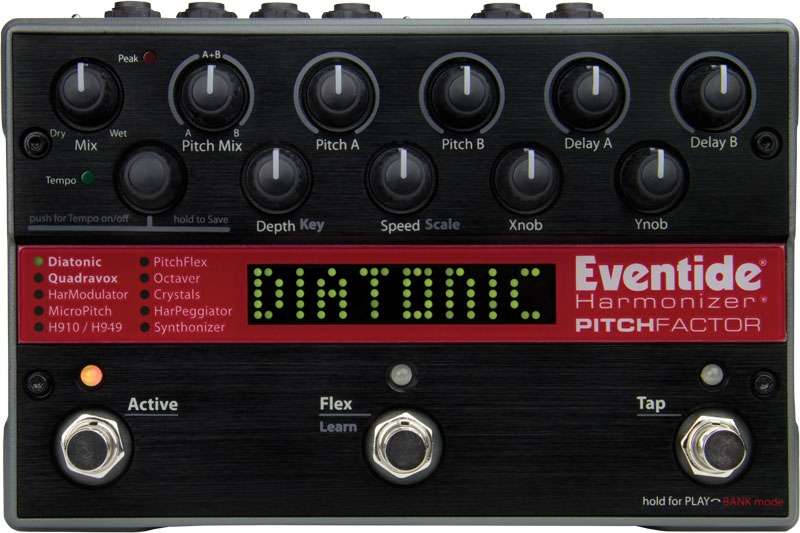
Use: Pitch shifting, harmonizing, and multi-FX
Pros:
- Advanced sound shaping
- Rocktron adds delay and reverb for depth
Cons:
- Not beginner-friendly
- Complex setup and routing
Why Useful: Great for doubling, pitch tricks, and otherworldly sounds used live and in the studio.
Practical Takeaways
Carpenter’s Setup Is Designed for Range and Power
His rig moves effortlessly between brutal riffing and lush ambient textures. Whether it’s low-tuned 9-string riffs or atmospheric delay swells, his gear supports every sonic direction the band explores.
He Mixes Custom Builds With Off-the-Shelf Tools
While some of his gear is boutique or signature-spec, a lot of it comes from trusted, readily available brands like MXR, Boss, and Orange. That balance helps keep things practical.
Digital Gear Speeds Up the Workflow
Modelers and digital FX units let him switch patches fast, reduce the size of his live rig, and maintain a consistent tone across songs, tours, and venues.
Expression Over Precision
While his rig is technically advanced, it’s not about perfection—it’s about feel. Most pedals and processors in his arsenal exist to create movement, weight, and emotion in the music.
Final Word
Stephen Carpenter’s guitar rig isn’t about chasing hype, it’s about results.
Every guitar, amp, pedal, or processor he uses is chosen to push the sound of Deftones forward, from the crushing to the cinematic.
Whether he’s reaching for a custom 9-string ESP or dialing up a lush reverb patch on a Strymon, his choices are always rooted in what best serves the song.


