

Chino Moreno’s rig is legendary because it strikes a rare balance between accessibility and artistry.
Every piece of his setup—from microphones to guitars and effects—is chosen for a specific purpose: emotional weight, versatility, and practical use both live and in the studio.
Below is a full breakdown of his core gear, with detailed notes on use, strengths, drawbacks, and why each piece remains central to his sound.
Microphones
Shure Beta 58A

Use: Main live vocal mic
Pros:
- Supercardioid pattern isolates vocals and resists feedback
- Rugged and tour-ready
- Presence boost helps vocals cut through a dense mix
Cons:
- Can sound harsh on certain vocal types
- Lacks the warmth of a studio condenser
- Why Useful: Perfect for Chino’s aggressive vocal style and dynamic stage energy
- Typical Tone: Bright, focused, energetic
- Practical Use: Widely used for aggressive rock vocals in live settings
Shure SM58

Use: Early Deftones studio recordings
Pros:
- Durable and reliable
- Warm low-mid response
- Familiar to engineers everywhere
Cons:
- Less detailed than a condenser mic
- Can sound “boxy” without proper EQ
- Why Useful: Delivers raw emotion and survives abuse on stage and in rehearsal
- Typical Tone: Warm, rounded, forgiving
- Practical Use: Industry standard for live vocals, suitable across all levels
Neumann U87
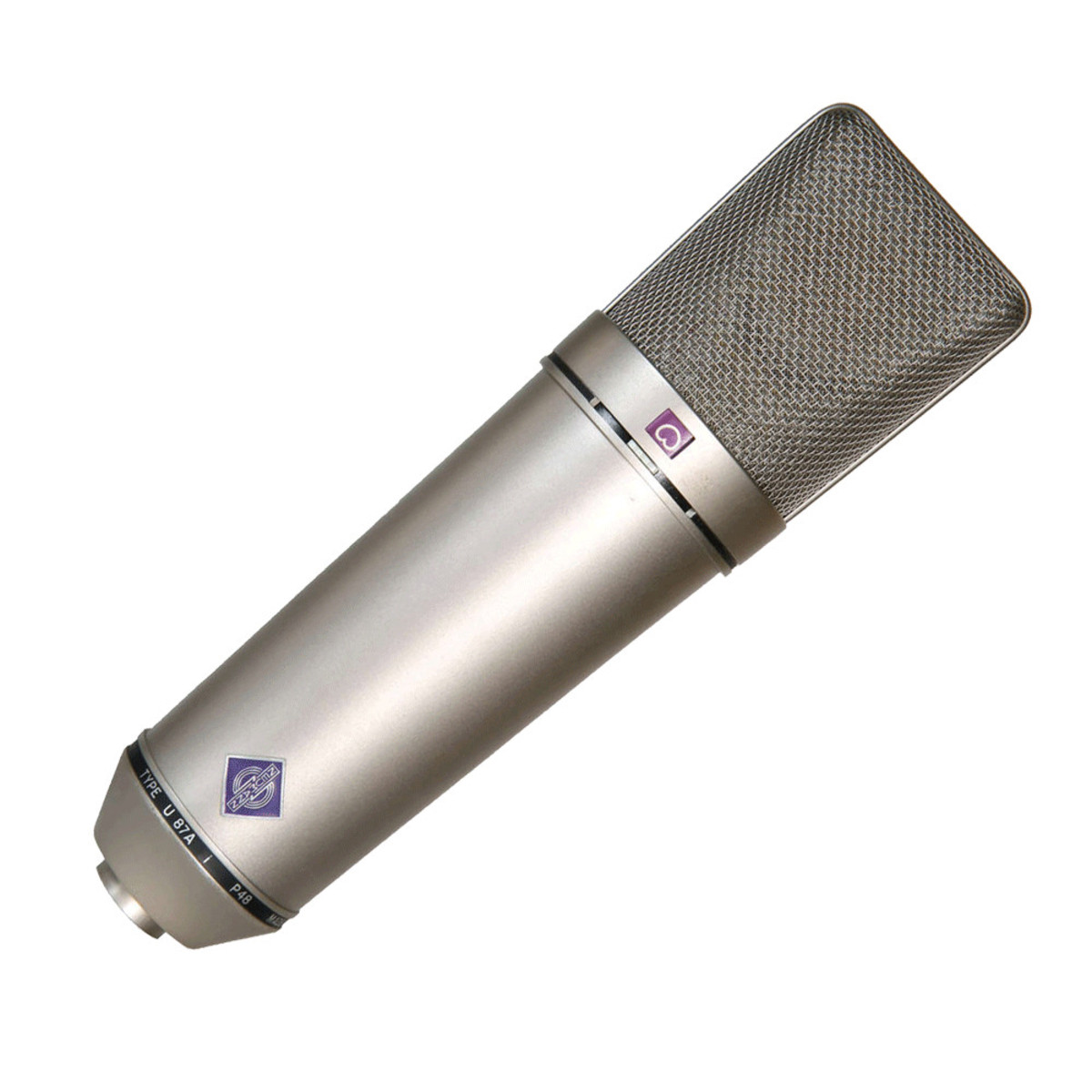
Use: Studio vocals, occasionally handheld with duct tape
Pros:
- Captures subtle detail and full vocal range
- Smooth highs and rich lows
Cons:
- Expensive and fragile
- Not ideal for handheld or stage use
- Why Useful: Captures both soft dynamics and screams with studio-level clarity
- Typical Tone: Neutral, rich, hi-fi
- Practical Use: Perfect for nuanced, high-fidelity vocal recordings
Telefunken ELA M 251
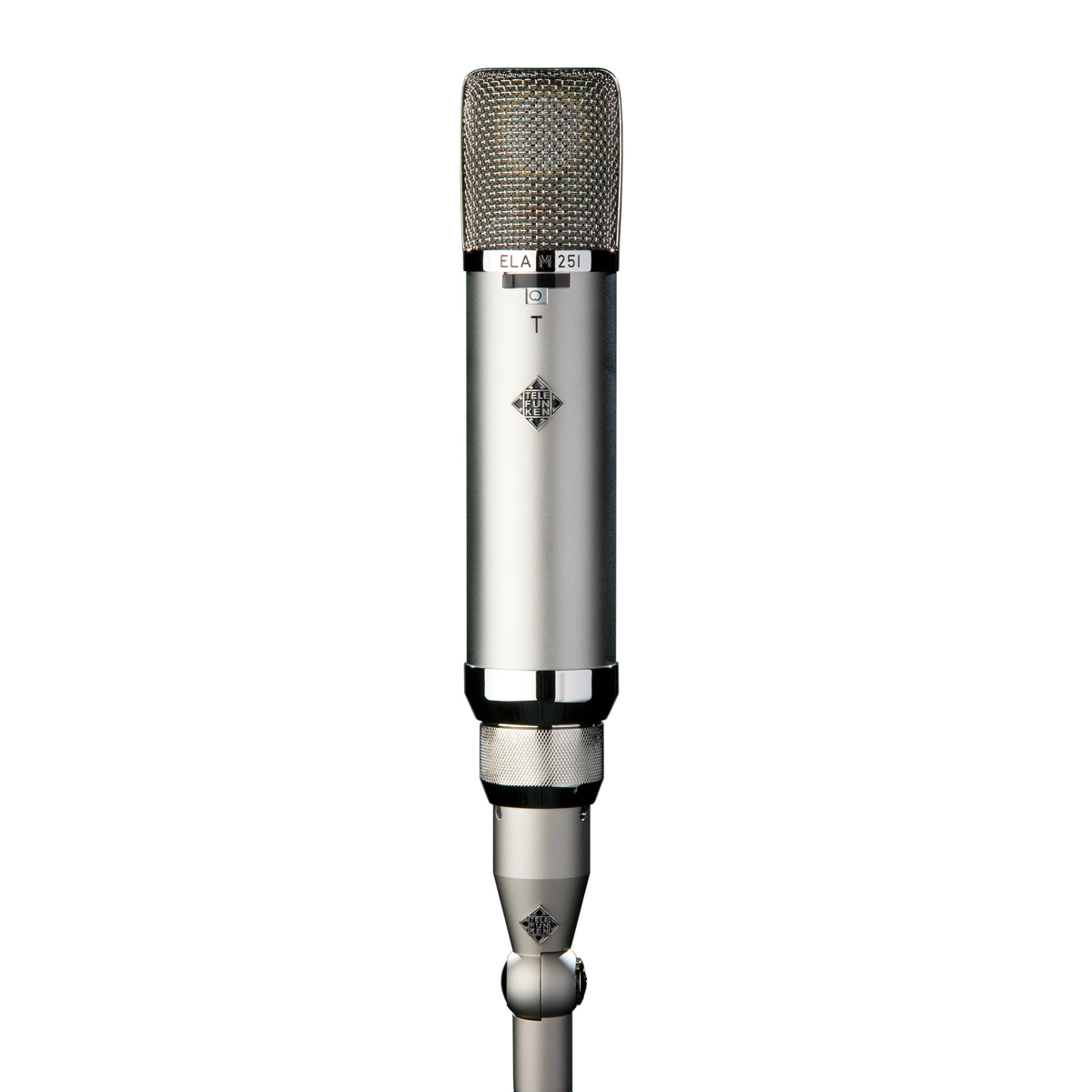
Use: Featured on “Diamond Eyes” sessions
Pros:
- Exceptional warmth and clarity from tube circuitry
- Enhances both clean and aggressive vocals
Cons:
- Extremely costly
- Sensitive to handling and environmental changes
- Why Useful: Provides a premium vocal texture with a vintage character
- Typical Tone: Creamy, detailed, vintage
- Practical Use: Ideal for high-end studio recordings that require emotional depth
Guitars
Gibson SG Standard / SG Special / 3-Pickup Custom

Use: Live and studio work, known for heavy rhythm sections
Pros:
- Lightweight with great upper fret access
- Thick midrange tone
- High visual appeal on stage
Cons:
- Tends to neck-dive
- Prone to feedback at high gain levels
Why Useful: Classic feel and tone with the flexibility for both heavy and melodic playing
Typical Tone: Thick, sustaining, bold
Practical Use: Ideal for heavy rock and metal with strong stage presence
ESP LTD Viper 301

Use: Seen on major TV/live performances
Pros:
- EMG-HZ pickups deliver aggressive, cutting tones
- Comfortable, ergonomic design
Cons:
- Less dynamic than some passive pickup systems
- May sound sterile to vintage tone fans
Why Useful: Delivers the force needed for down-tuned Deftones material
Typical Tone: Punchy, modern, low-heavy
Practical Use: Excellent for hard rock and modern metal
Fender Stratocaster HSS / Standard Strat

Use: Clean and layered parts, both live and in music videos
Pros:
- HSS configuration offers tonal range
- Bright, articulate sound
Cons:
- Single coils can generate noise
- Less sustain than humbucker-equipped guitars
- Why Useful: Brings clarity and texture to cleaner arrangements
- Typical Tone: Glassy, defined, open
- Practical Use: Great for ambient or rhythmic clean tones
Knaggs Keya T2

Use: Used for expressive, ambient parts live
Pros:
- Extended sustain
- High build quality and tone consistency
Cons:
- High price point
- Less classic than mainstream models
- Why Useful: Great for creating sustained lead lines and ambient textures
- Typical Tone: Smooth, boutique, rich
- Practical Use: For players seeking something expressive and distinctive
ESP LTD TE-212 / Yamaha Pacifica PAC1511MS / Yamaha Revstar RS620
Use: Workhorse models used for clean or hybrid tone parts
Pros:
- TE-212 offers Tele-style versatility
- Pacifica is rugged and no-nonsense
- Revstar combines retro looks with modern build
Cons:
- Less iconic styling
- May need effects to stand out
- Why Useful: Reliable and flexible options for clean tones and varied parts
- Typical Tone: Spanky, tight, clear
- Practical Use: Utility guitars for diverse song styles or secondary live setups
Amplifiers
Matamp Green GT120

Use: Key amp for creating ambient and fuzzy textures live
Pros:
- British-style warmth and edge
- Big low-end response
Cons:
- Physically large and heavy
- Can sound muddy without careful EQ
- Why Useful: Lays the foundation for Deftones’ massive live sound
- Typical Tone: Thick, organic, saturated
- Practical Use: Best for live ambient tones and heavy rhythm walls
Orange Thunderverb 50 / Dual Terror / AD140 HTC
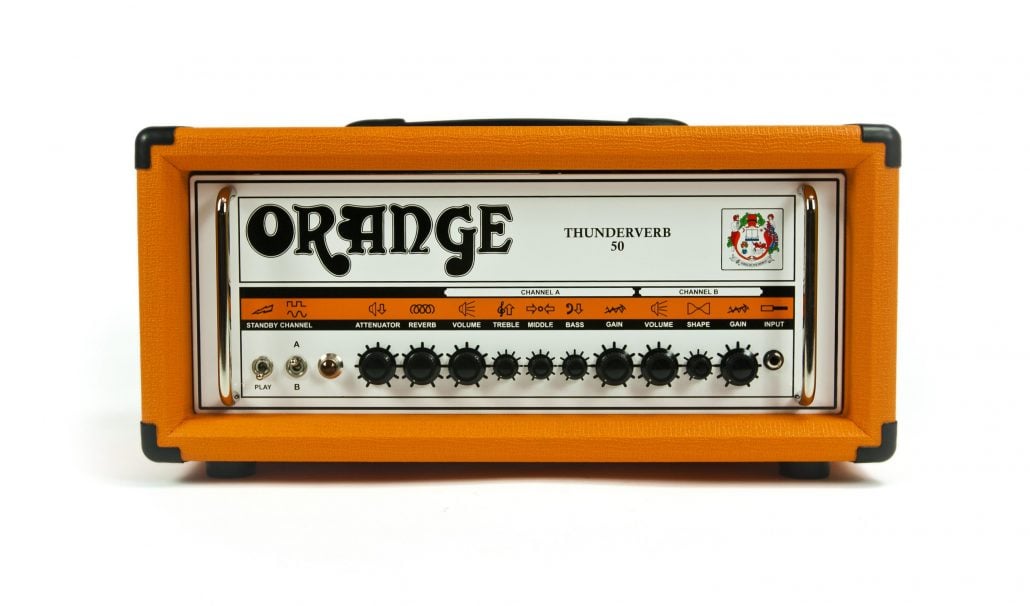
Use: Core touring amps, often paired together
Pros:
- Thunderverb offers clean headroom and smooth gain
- Dual Terror is compact but powerful
- AD140 delivers vintage-style tube warmth
Cons:
- Heavy and expensive
- Orange tone has a distinct midrange flavor not for everyone
- Why Useful: Switch between clean and gain-heavy sounds without losing character
- Typical Tone: Warm, punchy, full-bodied
- Practical Use: Suited for dynamic live sets with tonal shifts
Rivera Knucklehead Tre & RockCrusher Attenuator

Use: Main rig during “Koi No Yokan” tour
Pros:
- Huge headroom and clean clarity
- RockCrusher allows for tone at lower stage volumes
Cons:
- Boutique pricing
- Extra gear adds setup complexity
- Why Useful: Enables both powerful tone and live volume control
- Typical Tone: Clear, articulate, big
- Practical Use: Balanced tones for both studio and stage use
Orange PPC412 Cabinet

Use: Common cab paired with Chino’s Orange heads
Pros:
- Massive sound projection
- Celestion speakers deliver reliable tone
Cons:
- Large and heavy to transport
- Why Useful: Matches Chino’s amps for maximum output and sonic force
- Practical Use: Ideal for stage volume and low-end power
Effects Pedals
Boss DC-2 Dimension C

Use: Chorus pedal used for adding depth and stereo width
Pros:
- Simple interface
- Rich, unique modulation character
Cons:
- Discontinued and pricey
- Why Useful: Adds Chino’s signature dreamy texture to clean tones
- Typical Tone: Lush, dimensional, immersive
- Practical Use: Key for ambient and stereo spread in clean parts
MXR Phase 45 (CSP105)
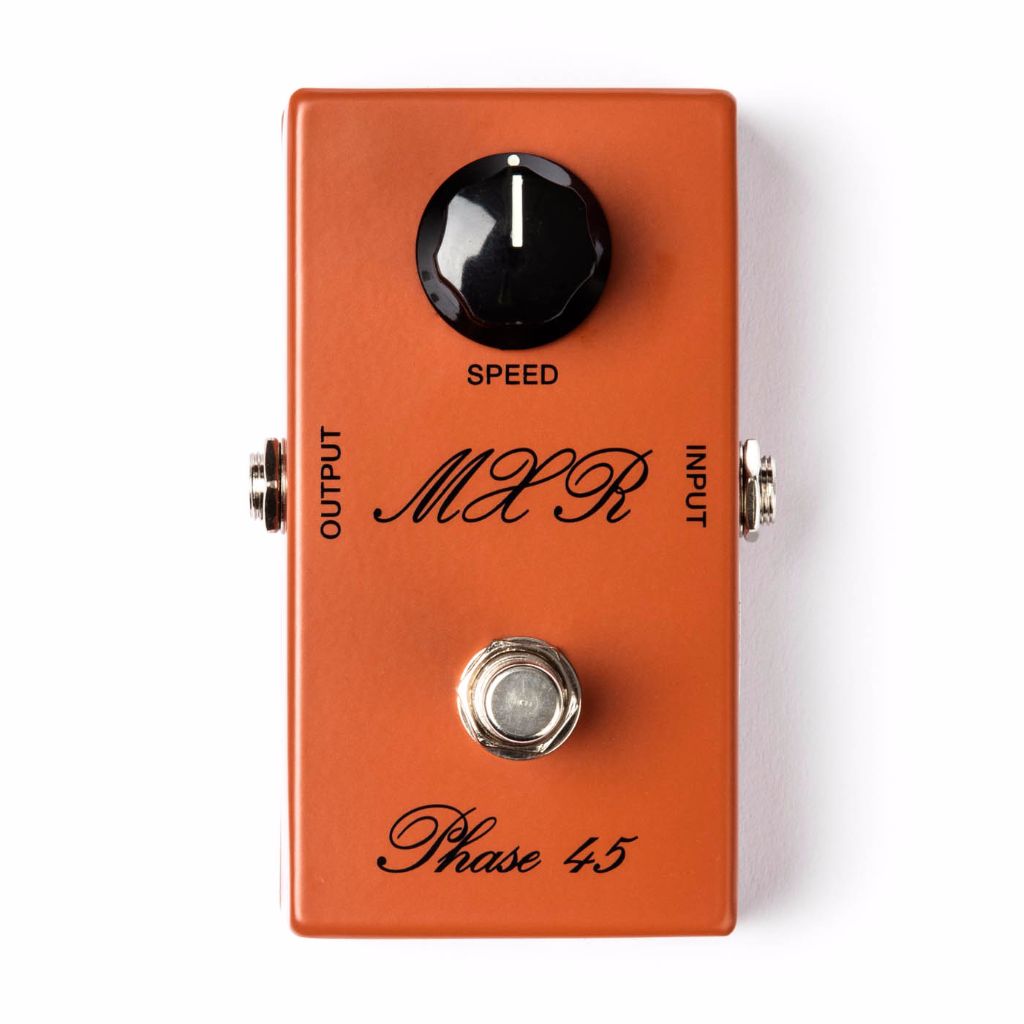
Use: Modest phasing used live for subtle movement
Pros:
- Vintage warmth without being overpowering
- Analog sound
Cons:
- Limited control options
- Why Useful: Adds character without overtaking the mix
- Typical Tone: Soft, swirling modulation
- Practical Use: Works well in background layers and ambient leads
MXR M169 Carbon Copy / Electro-Harmonix Memory Toy

Use: Analog delays for depth and space
Pros:
- Carbon Copy: warm and simple
- Memory Toy: darker repeats with a unique edge
Cons:
- Shorter delay times than digital pedals
- Memory Toy’s footswitch can be unreliable
- Why Useful: Adds essential dimension to clean and ambient guitar parts
- Typical Tone: Warm, organic, decaying repeats
- Practical Use: Key tools for atmospheric builds and echo effects
MXR Micro Chorus M148

Use: Extra modulation layer
Pros:
- Compact and simple
- Adds sparkle to clean tones
Cons:
- Limited control
- Why Useful: Instant shimmer in live or studio playing
- Typical Tone: Bright, lively modulation
- Practical Use: Reliable, no-frills chorus for set-and-forget use
Voodoo Lab Sparkle Drive
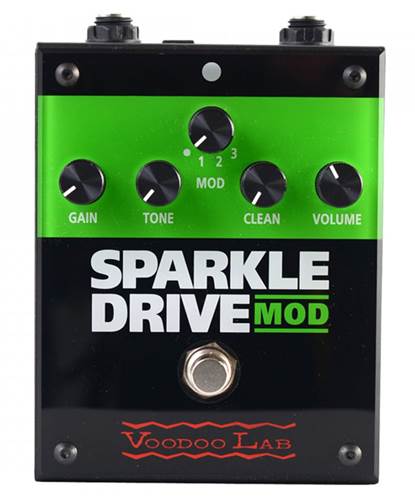
Use: Transparent overdrive/boost
Pros:
- Blend of clean and dirty signal
- Works well with other pedals
Cons:
- Not very high gain
- Why Useful: Enhances clarity on overdriven tones
- Typical Tone: Smooth, transparent, responsive
- Practical Use: Ideal for tightening rhythm or adding harmonic content to leads
Ernie Ball VP JR 25K Volume Pedal

Use: Volume swells and real-time dynamic control
Pros:
- Smooth sweep
- Built to last
Cons:
- Requires active electronics or buffer
- Why Useful: For expressive volume swells and ambient transitions
- Typical Tone: Not tonal by itself, but shapes the feel
- Practical Use: Useful for shoegaze and cinematic textures
Pickups and Mods
Seymour Duncan ’59 Model (Bridge)

Use: Installed in at least one of Chino’s guitars
Pros:
- Classic PAF clarity and warmth
- Balanced output
Cons:
- Lower gain compared to modern pickups
- Why Useful: Offers a warm, clear voice with enough punch for Chino’s tone
- Typical Tone: Smooth, vintage-inspired
- Practical Use: Great across multiple styles, from clean to heavy
Creative and Emotional Considerations
Chino’s gear is less about brand loyalty and more about feeling.
Whether it’s rigging a U87 with duct tape or using a rare chorus pedal, his choices serve the music’s emotion above all.
His setups reflect a focus on texture, contrast, and vibe—traits that are crucial to Deftones’ evolving sound.
Summary: How It All Adds Up
Chino Moreno’s gear setup is built to support dynamic, textured, and emotionally rich performances.
While some of the pieces are boutique or rare, they all serve practical and creative functions.
Whether it’s a heavy amp stack or a fragile studio mic, every choice in his rig contributes to the unique push-and-pull that defines Deftones.


