

Jimi Hendrix didn’t just change the way people played guitar — he changed the way they thought about sound itself.
From feedback-as-instrument to psychedelic layering, Hendrix used gear as an extension of his imagination.
But here’s the thing: the equipment he used wasn’t just wild effects or one-off boutique pieces — much of it was accessible, purpose-driven, and used with intent.
This guide breaks down the core tools Hendrix relied on — guitars, amps, and effects — and explains how each one helped shape his legendary tone.
Guitars
Fender Stratocaster “Izabella” (Olympic White, 1968)
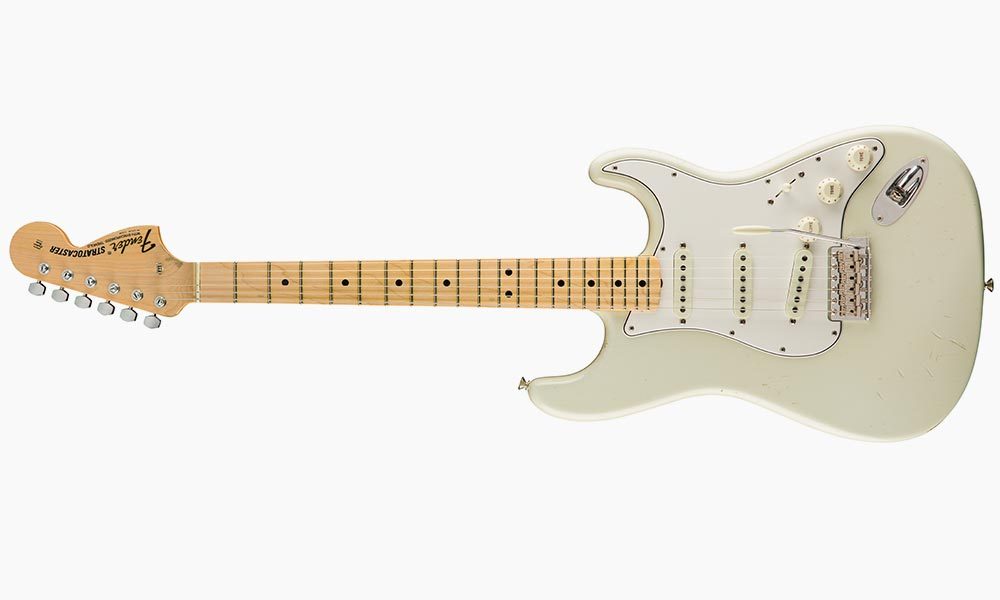
What it is: A left-handed 1968 Fender Stratocaster played famously at Woodstock.
Why it’s used: Hendrix gravitated to Strats for their clear articulation, floating tremolo system, and tone control flexibility. He flipped them upside-down to suit his left-handed playing.
What it does:
- Single coils offer crystal-clear highs and dynamic response
- Tremolo system allows expressive pitch shifts and textures
- Reverse string tension (due to flipped setup) changes tone and feel
Significance:
This is the guitar most associated with Hendrix. “Izabella” delivered his Woodstock rendition of the Star-Spangled Banner, becoming a symbol of both sonic innovation and cultural defiance.
Gibson Flying V “Love Drops” (1967 Custom)
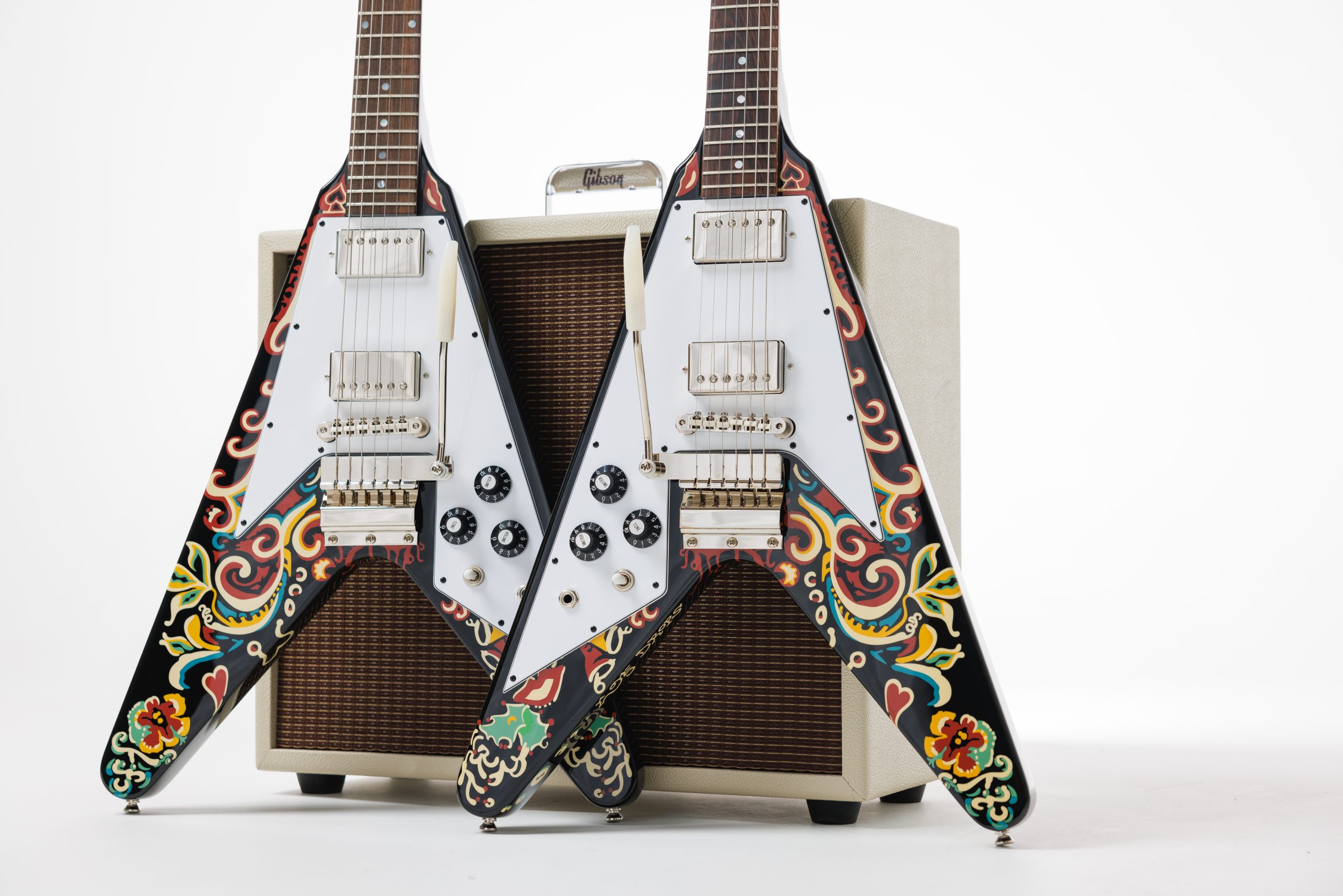
What it is: A hand-painted Flying V used between 1967 and 1969, notably on “All Along the Watchtower.”
Why it’s used: Offers a thicker tone than the Strat and more sustain with its set-neck and humbuckers.
What it does:
- Delivers fat, warm humbucker tones
- Plays smoothly thanks to the short 24.75” scale
- Painted by Hendrix himself — used as both an artistic and sonic canvas
Significance:
The Flying V balanced Hendrix’s sound when he needed a fuller midrange. It appears on Electric Ladyland and BBC sessions, showing up when clarity and cut-through were key.
Fender Mustang (Red, 1966)

What it is: A short-scale Fender used during Axis: Bold as Love and Electric Ladyland sessions.
Why it’s used: Offers a different string feel and tone due to the short scale and distinct bridge design.
What it does:
- Tighter response for rhythm playing
- Slightly compressed attack — ideal for recording nuanced parts
Significance:
Though less flashy than the Strat or Flying V, the Mustang was a crucial studio tool, especially for more melodic or subdued sections.
Other Guitars of Note
- Gibson SG Custom (1967, White): Used during European shows and TV appearances — versatile tone and excellent access to upper frets.
- Epiphone FT-79 Texan (1951): Acoustic used for songwriting and demos, owned longer than most other acoustics.
- Martin D-45: Appeared during Cry of Love sessions — chosen for its lush, balanced acoustic tone.
- Zemaitis 12-String Acoustic: Used in “Hear My Train A Comin’” — unique stringing configuration for octave textures.
- Silvertone Danelectro “Betty Jean”: Early guitar Hendrix kept for years and named after a girlfriend.
- Fender Duo-Sonic: One of his first Fender electrics, gifted by Curtis Knight.
Amplifiers
Marshall Super Lead 100 (1966–1969)

What it is: 100-watt Plexi head used at most major gigs from 1967 onward.
Why it’s used: Offers massive headroom, warm breakup, and the raw power needed to match Hendrix’s dynamic playing.
What it does:
- Four inputs and simple EQ section
- Can go from pristine cleans to aggressive distortion depending on volume
Significance:
This amp defined Hendrix’s live tone — loud, articulate, and harmonically rich. It responds directly to guitar volume adjustments, a key part of how Jimi controlled his dynamics.
Fender Dual Showman (Silverface, 1968)

What it is: 100-watt Fender head with massive headroom, often paired with JBL 2×15” cabinets.
Why it’s used: A contrast to the Marshall, it provided cleaner, rounder tones when needed.
What it does:
- Deep bass response
- Smooth clean tones at high volume
Significance:
Part of his Experience tour rig, offering clarity for studio and stage setups, especially when used in stereo with Marshalls or Sunn amps.
Sunn 100S / Sound City 100MV / Fender Princeton Reverb / Supro Thunderbolt
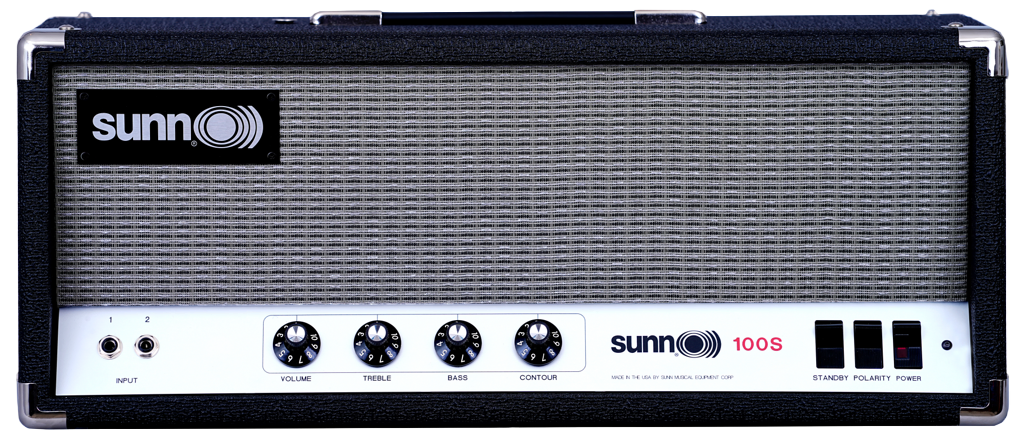
What they are: Supporting amps used throughout different periods for recording or experimentation.
Why they’re used:
- Sunn 100S: Endorsed by Hendrix, used with 2×15” cabs
- Sound City: Early UK tours; massive headroom and British tone
- Princeton Reverb: Used in studio sessions for focused, lower-volume playing
- Supro Thunderbolt: Early gigging amp, famous for gritty, natural overdrive
Significance:
These amps supported Hendrix’s evolving tone palette — especially for blending textures in the studio.
Effects and Pedals
Univox Uni-Vibe (U-915)

What it is: A phase-based modulation effect originally meant to simulate rotary speakers.
Why it’s used: Delivers swirling, liquid textures — a staple of Hendrix’s psychedelic sound.
What it does:
- Adds movement and space to solos and chord work
- Especially noticeable on “Machine Gun” and “Voodoo Child (Slight Return)”
Significance:
This pedal helped Hendrix bridge blues phrasing with experimental textures, turning even a single-note solo into something atmospheric.
Vox V846 Wah

What it is: Wah pedal used most famously on “Voodoo Child” at Woodstock.
Why it’s used: Adds expressive filtering and rhythmic control.
What it does:
- Sweepable mid boost for vocal-like tone shaping
- Can be rhythmic or lead-focused depending on use
Significance:
The wah pedal wasn’t just an effect — it was an extension of Hendrix’s phrasing. He played it as if it were part of his picking hand.
Fuzz Face (Arbiter Dallas)

What it is: Hendrix’s main distortion pedal — germanium-based fuzz.
Why it’s used: Raw, full-bodied fuzz that responds to pick attack and guitar volume.
What it does:
- Thick, saturated tone with rich sustain
- Cleans up well with the guitar volume knob
Significance:
Paired with his Marshalls, the Fuzz Face helped define Hendrix’s soaring leads and gritty rhythm tones.
Electro-Harmonix Triangle Big Muff (EH-3003)
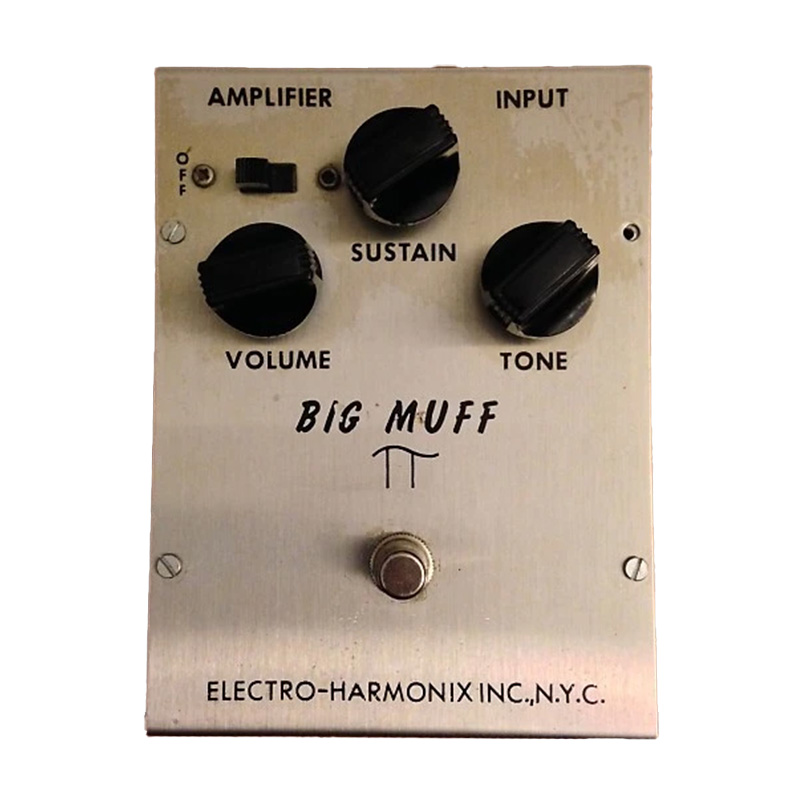
What it is: Controversial — Mike Matthews of EHX claims Jimi bought one in late 1969.
Why it’s debated: No studio documentation confirms it, but anecdotal evidence suggests he at least tried it in the studio.
What it does:
- Heavy, saturated fuzz with less dynamic response than a Fuzz Face
- Capable of synth-like tones and deep sustain
Significance:
May have been used on late sessions like “Freedom” or “Machine Gun.” If true, it shows Hendrix’s continued interest in pushing the limits of distortion.
Other Effects and Tools
- Boss BF-2 Flanger (modern-day reference): Jimi used analog phasing in place of modern flange
- Beyerdynamic M160 & Neumann U67 Mics: Preferred mics for amps and vocals during Electric Ladyland sessions
- Fender 346 Celluloid Picks: Medium gauge, used throughout touring
- Rotosound Strings (Custom Gauges): Hendrix was known to mix gauges for comfort and tone
Tone Philosophy & Practical Takeaways

Guitar + Amp First
Hendrix got most of his tone from the interaction between his guitar and amp. He controlled gain with the guitar’s volume knob and tone with pickup selection, rarely relying on pedals alone.
Feedback and Noise as Tools
He turned amp feedback and microphonic artifacts into musical tools, exploring sustain, overtones, and chaotic textures deliberately.
Effects for Movement, Not Just Gain
Modulation like Uni-Vibe and Wah weren’t gimmicks — they were part of his phrasing. Every sweep and swirl supported the rhythm and emotional arc of a song.
Live vs. Studio Flexibility
Hendrix constantly modified his setup to match the moment — switching amps, testing pedals, and using whatever helped serve the sound.
Final Word
Jimi Hendrix’s rig wasn’t defined by the latest tech; the kind of stuff they had back then was bare bones: a few pedals, powerful amps. Hendrix’s sound was derived mostly from how he played and hit the guitar; the pedals just added the finishing touch.
Whether through a flipped Strat, a pushed Marshall, or a swirling Uni-Vibe, everything in his setup served his creative instinct. And while the gear evolved over time, the goal remained the same: create something new every time he played.


