
The Best Electric Guitars We’ve Tested So Far…
From the best value and most reliable beginner guitars right up to premium-grade, pro-level electric guitars, this is your ultimate guide to the best electric guitars you can buy right now whatever your budget…
Beginner Guitars
These are the beginner (entry-level) guitars we like, trust, and recommend.

Intermediate Guitars
These are the intermediate guitars we like, trust, and recommend right now.

Best Pro Guitars
These are the professional-grade guitars we rate and recommend.

Top-Rated Electric Guitars Right Now
-
Gretsch G5260T Electromatic Jet Baritone With Bigsby
The G5260T comes loaded with Gretsch mini-humbuckers, and no, they’re not just a marketing gimmick. These things are often compared to Broad’Tron-style pickups meaning they’re hotter than vintage Filter’Trons but still cleaner than full-size humbuckers.Why We Like This Guitar
Here’s a quick overview of my notes after spending a solid few months getting to know this epic baritone guitar.
Bridge pickup
Bright and snarly with a surprising amount of body. There’s enough bite to slice through a fuzz pedal without losing the bottom end. Think early Queens of the Stone Age meets surf noir.
Neck pickup
Warm, full, and shockingly articulate. It’s got this piano-like low end that doesn’t fall apart in reverb or delay. Perfect for ambient chord washes or thick, slow lead lines.
Middle position
Big and open. This setting really shines when you want to fill out the sonic space—drone-y chords, tremolo picking, that sort of thing.
These pickups aren’t just good “for the price”—they’re genuinely good, period. And more importantly, they don’t choke out under gain or low tunings.
I ran the neck pickup through a lo-fi slapback delay and a plate reverb, and it sounded like Ennio Morricone got into doom metal. Not joking—it’s that cinematic.
The Feel: Long Scale, Bigsby Drama, and Classic Gretsch Vibes
One thing that immediately separates this baritone from others like the Squier Classic Vibe Baritone is the scale length. At 29.75″, this is longer than most baritones on the market—and you feel that.
The upside? It handles B, A, or even drop-G tuning without feeling like a wet noodle. Seriously—it stays tight and in tune better than most.
The neck
It’s a thin-U shape, super comfortable, and feels more modern than vintage. Great for sliding around and doing wide bends even with thick strings.
Fretwork and finish
Genuinely solid. No sharp ends, no weird dead spots. You can tell this is one of those pro-feel guitars hiding in a mid-price shell.
Now let’s talk about the Bigsby B50. This is where the vibe factor cranks up to 11.
It’s not made for divebombing, obviously. But if you want subtle warble, shimmery chords, and slow-motion bends—it’s brilliant. I’ve used it for surfy leads and ambient swells, and it just feels right.
As long as the nut is cut properly, tuning stability is surprisingly solid. I gave it a graphite lube and haven’t had any major issues, even with pretty aggressive Bigsby use.
Where It Really Shines
This guitar isn’t trying to be everything to everyone. But what it is good at, it does extremely well.
Surf / Spaghetti-Western / Dark Country
That piano-like low end and Bigsby shimmer? Perfect for tremolo-drenched chords, twangy lead lines, or haunted desert soundscapes. If you want to write the soundtrack to your imaginary Western revenge movie—this is your guitar.
Grunge / Doom / Alternative Rock
I’ve thrown everything from Big Muff to a Rat at it, and it handles it with class. It doesn’t get muddy, and the mini-humbuckers help preserve definition even under woolly fuzz tones.
Ambient / Shoegaze / Indie
Pair the neck pickup with some modulated delay and a shimmer reverb, and you’re in post-rock heaven. The long scale gives you tons of sustain, and the notes bloom out in a really expressive way.
Where It’s Not at Home
Look, if you’re after ultra-modern metal or tight, compressed chugs, this probably isn’t your weapon. It can do rock and heavy alt styles just fine, but if you’re expecting EMG-level output or 24-fret shred access, you might want to check something in the Schecter
or Ibanez world instead.
That said, if you’re more interested in vibe, tone, and cinematic character than note-for-note shredding, you’re squarely in the G5260T’s sweet spot.
Wrapping Up…
The Gretsch G5260T Electromatic Jet Baritone is not just a cool-looking oddball—it’s a genuinely expressive, flexible baritone guitar that feels way more expensive than it is. The pickups are killer, the scale length keeps things tight, and the Bigsby adds just the right amount of drama without becoming a tuning liability.
It’s not a metal monster. It’s not a one-trick pony either. What it is is one of the most musical and fun baritone guitars I’ve played, especially for genres that need clarity, character, and low-end presence.
If you’re building a rig around dark surf, drone, fuzz, or ambient noise? This thing belongs on your shortlist.
-
Squier Classic Vibe Baritone Custom Telecaster
Our go-to option and quite frankly, one of the best value-for-money guitars on the market right now is the Squier Classic Vibe Baritone Custom Telecaster. Yes, it’s NOT a Fender but this guitar is beloved by all who come across it. I’ve seen it used in studios in LA and Atlanta on big records with bands you will know.Why We Like This Guitar
After putting in quite a lot of time in with this baritone Tele both in the studio and just mucking around in my practice unit, I think there’s loads of scope for this guitar in most serious player’s collections.
Here’s where it makes sense, and who it’ll work best for:
Classic low-end clean tones
Think Duane Eddy, “Rebel Rouser,” and all that vintage instrumental rock stuff. It has punch without being muddy.
Country and Americana
That bridge pickup is born for chicken pickin’—just tuned down a fourth. Throw in a slapback delay and it’s golden.
Ambient/post-rock textures
The 27″ scale gives you tons of sustain, and chords stay defined even under heavy modulation and reverb.
Alt-country / dark country
With a bit of dirt, you can easily get that moody, cinematic tone that sits somewhere between outlaw and Western noir.
Where it’s not as comfortable is modern metal or ultra-compressed high-gain riffing. That’s just not its thing. This is a baritone for players who want articulation and vibe, not a chug machine.
The vintage-style 3-saddle bridge keeps things snappy, but yeah intonation isn’t perfect out of the box. You’ll need a set-up to get it sounding its true potential.
That said, I’ve been running it with the stock 14–68 strings and haven’t had major tuning issues. The resonance from the string-through design is noticeable too. It’s got that classic Tele body feel, just… beefier.
-
Fender American Ultra II Stratocaster HSS
The Fender American Ultra II Stratocaster HSS is Fender’s new flagship “modern Strat,” designed for players who want maximum versatility, flawless build quality, and next-level comfort without losing the classic Fender soul. Built in Corona, California, it features cutting-edge hardware, stainless steel frets, noiseless pickups, and refined ergonomics that make it a true top-tier workhorse for the stage or studio.Why We Like This Guitar
-
Harley Benton R-446
The R-446 is the sleeper hit in Harley Benton’s metal lineup. Great neck, versatile tones, and a price that leaves room in your budget for upgrades—it’s the kind of guitar that grows with you.Why We Like This Guitar
-
Harley Benton Fusion-T HT EMG
Honestly? This guitar plays like a mid-tier Schecter, something like the Sun Valley Super Shredder, but at less than half the price. If you covered up the headstock and handed it to me blindfolded, I’d swear it was a $1,000+ guitar from Schecter or Charvel.Why We Like This Guitar
-
Harley Benton SC Custom VBK
This is one of the best Harley Benton guitars for metal because of the blend of classic looks, with modern features. You’ll be hard-pressed to find a guitar with EMG pickups, and the bells and whistles that make this guitar stage ready for under $500. And yet, this is exactly what the Harley Benton SC Custom VBK delivers…Why We Like This Guitar
-
Manson Meta Series Matt Bellamy MBM-2H
The MBM-2H isn’t your average signature guitar; in actual fact, it’s the “lite” verson of Matt Bellamy’s actual signature Manson model. It doesn’t feature the built-in midi controller or fuzz switch. But that’s OK because what you get for a very reasonable price is massively impressive (as you’d expect from Cort). From the design to the hardware choices, it looks and feels more expensive than it is.Why We Like This Guitar
The Manson Meta Series MBM-2H in Satin Olive Green isn’t just a cool-looking signature model—it’s a full-on workhorse designed for players who actually gig, rehearse, and record. Whether you’re a Muse diehard or just want a guitar with some bite and flair, this thing brings a lot to the table without the boutique price tag.
I got some hands-on time with this one, and here’s what stood out.
First Impressions: Built For Action
Right away, the compound radius neck feels like it was designed by someone who actually plays live. It’s super comfy for rhythm playing lower down and flattens out perfectly for soloing up top. That matching headstock in olive green? It’s subtle, but it pulls the whole aesthetic together. Clean, pro, and modern.
The Features That Matter
Manson Humbuckers That Actually Deliver: These aren’t throwaway pickups. They’re full-bodied, dynamic, and respond really well to amp gain. You get tight rock tones when cranked, but they clean up nicely with a little roll-off on the volume knob. If you need versatility without swapping guitars mid-set, these do the job.
That Bellamy-Style Kill Button
If you’re into experimental textures or love that signature Muse stutter effect, the kill button is right there at your fingertips—easy to access, but tucked away enough that you’re not hitting it by accident. It’s a small feature that adds a lot of personality.
Cort Locking Tuners for Real-World Use
Locking tuners are a must for any gigging musician, and Cort’s staggered set here holds tuning impressively well. They also make string changes way quicker—especially handy if you’re breaking a string five minutes before soundcheck.
Who’s It For?
Obviously, Muse fans will be all over this but you don’t have to be a Bellamy fanboy to appreciate what’s going on here. If you need a solid rock guitar that looks slick, feels great, and doesn’t flinch under pressure, this one’s worth a serious look. Is it better than an entry-level PRS? Probably not, although it is damn close and I think its unusual enough to stand out from the crowd. I also kind of reminds me of an Abasi guitar as well. Not a bad thing.
-
Jackson JS22 Dinky
The Jackson JS22 Dinky is built for speed demons on a budget. From the compound-radius fingerboard to the hot ceramic humbuckers, this thing screams metal but also cleans up better than you’d expect. If you like thin necks, low action, and high-output growl, this Dinky gets you there fast without draining your wallet.Why We Like This Guitar
I’ve been following this one for awhile now; Jackson’s Dinky range has a proper good reputation, and initial reviews of this model didn’t disappoint. I managed to get a session in on the Jackson JS22 Dinky and my immediate impressions were good. The first thing you’ll notice is the neck; it’s lightning fast. If you like or want to learn to shred, you are going to love it.
Here’s some quick notes from my time with the guitar.
Pros
There’s a lot to like about the JS22 Dinky but here’s what stood out most, the things that stuck with me after I’d played it:
- Fast Neck with Jumbo Frets: Effortless shredding. You’ll fly through scales and arpeggios without fighting the neck.
- Ceramic Pickups Are LOUD: Perfect for high-gain tones. You’ll get tight lows and searing highs, great for modern metal.
- Looks Way Cooler Than Most Budget Guitars: Satin black finish, sharkfin inlays, arched top—this thing has legit stage presence.
- Compound Radius Makes a Real Difference: Feels flat enough for speed but still comfy for chords. That’s a rare combo at this price.
Any Caveats?
It’s an entry-level guitar, so there’s always going to be things that aren’t quite right out of the box. Nothing that a good setup can’t sort out but it does feel and play nicer in its stock-state than the last beginner model I tested (Squier Sonic Stratocaster HSS Maple Fingerboard).
It’s mostly very good. But if you do buy this guitar, here’s some things to look out for:
- Setup Needs a Touch of Tweaking: Out of the box, it was close—but the nut and bridge needed a quick once-over before it played its best.
- Fretwork Isn’t Perfect: A few frets needed a little love. Not unplayable, just something to watch if you’re picky.
Why You Should Be Looking at This Guitar
The Jackson JS22 Dinky is a shredder’s dream on a budget. No, it’s not going to dethrone a $2K Ibanez Prestige but it doesn’t have to. For around $200, you get a fast-playing, brutal-sounding guitar that’ll hold up whether you’re woodshedding riffs at home or hitting your first show. A proper gateway to metal mayhem.
- Killer tone for metalheads without breaking the bank
- Speedy neck and jumbo frets make it ideal for solos
- Looks and feels more expensive than it is
- A great first step into high-gain guitar styles
-
Squier Sonic Stratocaster HSS Maple Fingerboard
The Squier Sonic Strat HSS is a classic case of “more than the sum of its parts.” It’s not flashy, but it’s reliable, playable, and easy to enjoy right away. Whether you’re picking it up for your first lessons, your fifth modding project, or your backup beater for open mics, this Strat holds its own. I didn’t want to stop noodling on it and that’s always a good sign. Another ripper from Squier!Why We Like This Guitar
Here’s what stuck out while putting this one through its paces:
- Satin Neck Makes a Big Difference: Glides under your hand and feels more expensive than it is. No stickiness, even after an hour of playing.
- HSS = Easy Tonal Variety: The humbucker handles gain surprisingly well. Throw in a chorus pedal, and you’ve got 80s lead tones on tap.
- Lightweight & Comfortable: At around 6.5 lbs, this is easy to hold for long sessions; great for beginners or younger players.
- Clean Setup Out of the Box: It played in tune and didn’t need major adjustments. The action was low enough for barre chords without fret buzz.
Any Caveats?
This isn’t a high-end guitar; it’s not even intermediate. It’s an entry-level model, the kind of guitar you buy when you’re first starting out. If that’s you, and you’re looking at this guitar, you’re in a very good spot. As entry-level Strats go, this one is bloody great.
But as always there’s some things that aren’t perfect. Don’t worry too much about these: none are deal-breakers. A good setup by a professional will fix nearly all of its minor wriggles.
Here are somethings to watch out for, if you buy this guitar:
- Fret Edges Could Use Some Love: A bit sharp on the edges, especially higher up. A quick file or dressing would make it feel much better.
- Electronics Are Fine but Just Fine: They’ll hold up for home use, but if you’re planning to gig, you’ll need to give it a proper setup and, most likely, some modifications.
Why You Should Be Looking at This Guitar
It’s not a Fender, so there’s always going to be downsides. But this thing rips in all the right ways. I played Squier guitars back when I first started in the 1990s, and they were NO WHERE near this level of quality. Beginner’s have it so good these days.
So, if you’re thinking about getting a strat, here’s why this guitar should be on your radar:
- Affordable way into the Strat world, with modern flexibility
- Comfortable neck and body make it easy to learn on
- Perfect platform for mods, upgrades, and experiments
- Doesn’t feel like a “starter” guitar in your hands
-
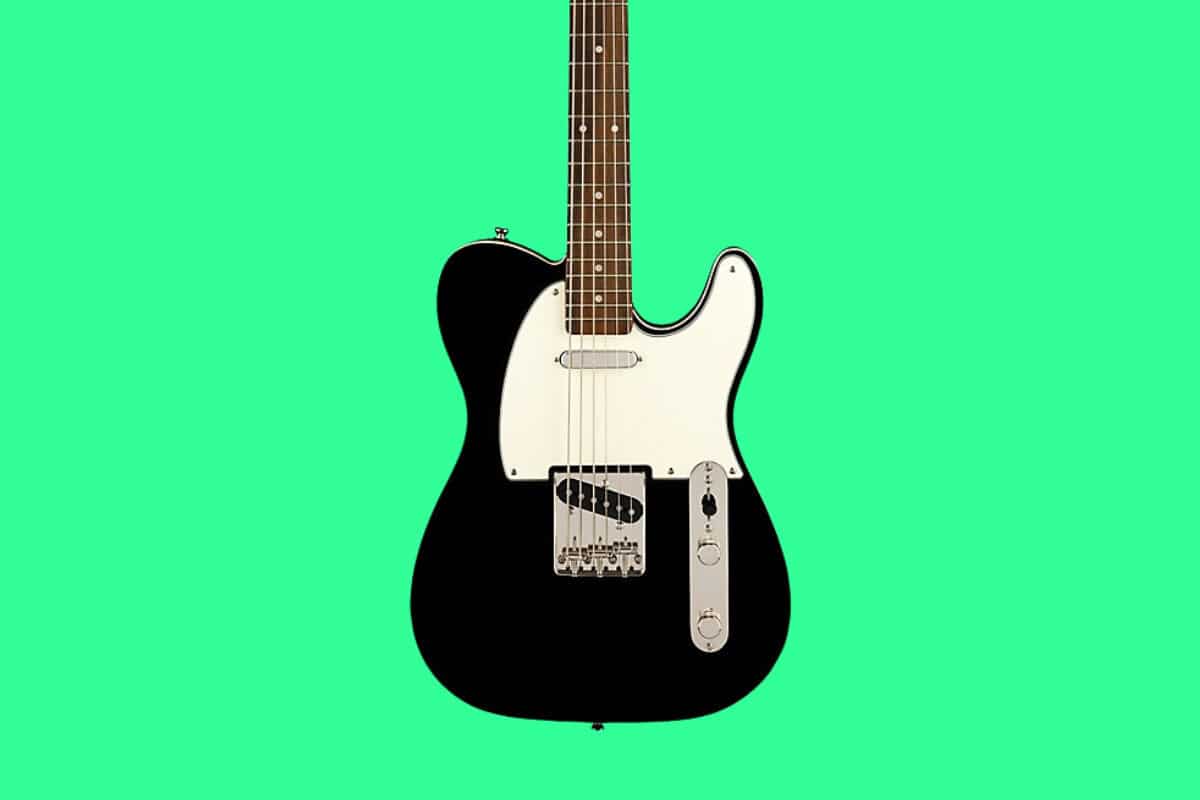
Fender Standard Telecaster
The Fender Standard Telecaster with Maple Fingerboard is one of those guitars that just works. Whether you’re stepping into the Tele world for the first time or need a reliable backup for your gig rig, this 2025 model delivers the goods. With classic looks, modern playability, and that unmistakable Tele twang, it’s easy to see why this continues to be a go-to for players across the spectrum.Why We Like This Guitar
After giving this one a proper test, from clean blues to crunchy rhythm work, here’s what stood out:
Pros
Modern “C” Neck Is All-Day Comfortable
This profile is perfect for both chords and leads, with a satin back that lets your hand glide. If you’ve got average-sized hands or bigger, it’ll feel just right.
Punchy Ceramic Pickups
These aren’t shy. The bridge pickup has that iconic Tele snap—bright, aggressive, and present. The neck is round and smooth, great for comping or jazzy leads. If you like your tone bold, you’ll dig these.
Solid Build, Reliable Hardware
The poplar body keeps things light and resonant. The bridge is simple and effective, and the sealed tuners do a solid job (though some users suggest upgrading if you’re a tuning stickler).
Looks Like a Proper Tele
Between the black pickguard, maple board, and color options like Butterscotch Blonde and 3-Tone Sunburst, this is an eye-catching guitar that still keeps things classic.
Great Modding Platform
Whether you want to swap in Alnico pickups, upgrade tuners, or go full Esquire-style, this guitar makes a great starting point. It’s built simply, which means modding is easy.
Any Caveats?
Tuners Can Slip With Heavy Use
For casual playing, they’re fine. But if you’re gigging or tuning a lot on the fly, consider a tuner upgrade.
Ceramic Pickups Are Hot and Bright
Great for cutting through the mix, but they can sound harsh to some ears—especially with bright amps. If you prefer warmer, vintage-style tones, you might want to swap them out.
Nickel Frets Will Wear Over Time
Not a dealbreaker, but if you play hard and often, expect to see some fret wear after a few years.
Why You Should Be Looking at This Guitar
Whether you’re building your first rig or adding a trusty Tele to the mix, this model is one of the safest bets out there:
- Affordable entry into Fender tone and feel
- Classic design with modern comfort
- Versatile enough for any genre
- Simple, mod-friendly platform for upgrades
- Ready for gigs, studio, or couch jams out of the box
Wrapping Up…
The Fender Standard Telecaster (Maple Fingerboard) proves you don’t need to spend big to get classic tone, comfort, and a timeless look. It’s a true workhorse that performs way above its price tag. While it’s not loaded with boutique specs, it feels like a real Fender because it is—and it sounds like one, too. For players who want that legendary Tele vibe without breaking the bank, this one’s a no-brainer.
-
Fender Jack White Triplecaster Telecaster
The Fender Jack White Triplecaster Telecaster is what happens when a classic Tele gets dragged through a Third Man Records time vortex. Built as a true signature for Jack White’s genre-bending style, this limited-edition guitar fuses old-school Tele craftsmanship with wild electronics, unique visuals, and some seriously experimental firepower. If you want a traditional Tele, this ain’t it. If you want inspiration in solid-body form? You’ve found it.Why We Like This Guitar
After pushing this thing through everything from fuzzy garage rock to experimental looping madness, here’s what stood out:
Pros
Totally Unique Pickup Blend
The CuNiFe Wide Range humbucker gives you warmth and roundness, the JW-90 is tight and punchy, and the custom bridge humbucker rips. No matter your rig, there’s a sound in here that’ll surprise you—in a good way.
“Direct-To-Jack” Mode = Pure Tone Power
Bypass the tone circuit, hit your pedals or amp direct, and boom—full output, unfiltered. Perfect for leads, gain stacking, or just shaking the room.
Arcade-Style Kill Switch is Pure Fun
The stutter switch is more than a gimmick. Whether you’re adding glitchy percussive effects or just getting wild live, it’s tactile, responsive, and a riot to play with.
Built for Creative Play
Bigsby B5 vibrato? Check. Chambered ash body? Check. Hipshot Xtender for instant Drop D? Yep. This is a Swiss Army knife for the player who doesn’t just strum chords.
Feels Better Than You’d Expect
That soft “V” neck is weirdly perfect—chunky enough for grip, but fast when you’re moving. The 12″ radius maple board is a sweet spot for both chords and bends.
Looks Like a Sci-Fi Telecaster
Powder-coated hardware, a sleek black finish, and custom inlays give this thing a signature vibe that doesn’t scream “retro reissue.” It’s future-facing in the best way.
Any Caveats?
Not for Purists
If your idea of a Tele is vintage twang and nothing else, this may be too weird. It’s built to break the mold, not fit in.
Controls Take a Minute to Learn
With two 3-way switches, a stutter button, and standard volume/tone, there’s a slight learning curve. But once you figure it out? You’ll want every guitar to work this way.
Bigsby = Subtle, Not Shred-Proof
It’s great for expressive vibrato, but don’t expect Floyd Rose-level divebombs or rock-solid tuning if you go hard. Treat it like the bluesy tool it is.
It’s a Premium Price
You’re paying for artist-driven design and limited availability. But hey—if you want a paintbrush, not a hammer, this thing is worth every penny.
Why You Should Be Looking at This Guitar
You don’t have to be a die-hard Jack White fan to appreciate what this guitar offers:
- Three radically different pickups = massive tonal range
- Direct signal bypass and kill switch for live creativity and sound shaping
- Chambered body and ergonomic neck for comfort and playability
- Drop D-ready Hipshot Xtender makes it stage- and loop-pedal-ready
- Looks like no other Telecaster—this is a conversation starter and a performer
If you’re the kind of player who builds soundscapes, loops riffs into oblivion, or just wants a tool that breaks out of the box, this is your jam.
Explore more weird, wonderful, and artist-driven gear in our Fender collection and stay tuned with Fender News.
Wrapping Up…
The Fender Jack White Triplecaster Telecaster is bold, bizarre, and brilliant. It’s not meant to imitate; it’s built to inspire. Between its unique pickup mix, expressive hardware, and experimental controls, this thing opens up new ways to approach your playing. It’s not for everyone. But if it’s for you—you already know.
-
Epiphone Les Paul Custom Quilt Limited-Edition
The Epiphone Les Paul Custom Quilt Limited-Edition brings serious flair to the SE Les Paul lineup in 2025. With its jaw-dropping quilted mahogany top, gold hardware, and ProBucker electronics, this is Epiphone doing premium with just the right amount of flash. And while it looks like a collector’s piece, it’s built to be played. Loudly.Why We Like This Guitar
I put this thing through everything from bluesy licks to modern gain—and it kept up. Here’s what you should know before pulling the trigger:
Pros
Quilted Top and Gold Hardware Look Luxe
This is a true “wow” guitar. Ocean Blue and Viper Blue pop like crazy under lights, and the cream binding and gold tuners round out the high-end aesthetic.
ProBucker Pickups Punch Well Above Their Class
They’re not muddy like some stock pickups in this price range. The bridge has snap and growl, and the neck pickup is warm and smooth—perfect for soloing or jazzy comping. You won’t need to swap these unless you’re chasing something ultra-specific.
Slim Taper Neck = Fast and Comfortable
Epiphone nailed the feel here. It’s sleek but not paper-thin, and the ebony fingerboard feels smooth and classy. It’s easy to move up and down the neck, whether you’re shredding or chording.
Excellent Sustain and Stability
Set-neck construction and LockTone hardware make for a guitar that rings out beautifully and stays in tune, even with heavy bends and aggressive playing.
Feels Like a Premium Instrument
From the smooth fretwork to the Grover tuners, everything feels locked in. This isn’t a toy guitar—it’s ready for gigs or studio use.
Any Caveats?
Neck Pickup Can Get a Bit Dark at Full Volume
A quick roll-off of the volume knob brightens it up—no big deal, just something to be aware of.
Multi-Piece Body with Veneer Top
This isn’t a single slab of figured mahogany, but honestly, that’s par for the course at this price—and the sound doesn’t suffer.
No Case Included
For a limited-edition model, a gig bag or hard case would’ve been nice. You’ll want to budget for one.
Why You Should Be Looking at This Guitar
If you’ve been eyeballing a Les Paul Custom but can’t justify the Gibson price tag, this is a killer option. Here’s why it deserves your attention:
- Looks like a boutique guitar, but priced like a mid-range model
- Plays and sounds great out of the box—no mods required
- ProBucker pickups = clarity, warmth, and punch
- Perfect for studio, live gigs, or just showing off at the jam night
- Limited-edition appeal, with colors and finish you won’t find everywhere
Wrapping Up…
The Epiphone Les Paul Custom Quilt Limited-Edition is one of those guitars that makes you do a double-take. It looks stunning, plays like a dream, and sounds better than it has any right to at this price. Sure, there are some trade-offs—a multi-piece body, no case—but when you’re plugged in and ripping a solo, none of that matters. For players who want looks, tone, and feel without the luxury markup, this one’s a no-brainer.
-
Schecter Demon-6 FR-S
The Schecter Demon-6 FR-S is an aggressive, modern metal guitar designed for speed, punch, and tuning stability. It features active pickups, a Floyd Rose locking trem, and a slick satin black finish—all aimed at delivering pro-level features for players on a budget. Whether you’re a beginner diving into metal or a more advanced player looking for a reliable backup axe, this one brings the heat without torching your wallet.Why We Like This Guitar
After running it through some palm-muted chugs, lead runs, and trem wails, here’s what stood out about the Demon-6 FR-S:
Pros
Active Pickups = Total Clarity at High Gain
The HB-105S set doesn’t flub out, even under heavy distortion. Great for tight rhythms and defined leads—exactly what you want for modern metal tones.
Floyd Rose Special Delivers
It’s not the top-tier Floyd, but it holds up well. Divebombs, flutter, squeals—it stayed in tune and felt smooth. Just make sure it’s set up properly and you’re golden.
Fast Neck, Low-Drag Feel
The Thin ‘C’ profile and 14” radius fretboard are tailor-made for speed. Tapping, sweeping, and fast runs all feel effortless, and the extra-jumbo frets make bends a breeze.
Aggressive Aesthetic That Fits the Part
The gothic cross inlays, black hardware, and satin finish are all metal-forward. This isn’t a subtle guitar—it wants to be seen on stage under red lights.
Incredible Value for What You Get
A double-locking trem, active pickups, and a fast-playing neck at this price point? That’s hard to beat.
Any Caveats?
Not the Most Nuanced Pickups
They hit hard and stay tight—but if you’re looking for vintage dynamics or expressive cleans, these might fall a little flat. Great for metal, less so for blues.
Floyd Rose Special = Setup Matters
Like all Floyds, this one takes some TLC. Setup can be tricky if you’re new to floating bridges, and it doesn’t have the same durability as the original Floyd Rose.
Narrow Nut May Feel Tight
At 41.3mm, the nut is on the slimmer side. Players with big hands might feel a little cramped near the nut, especially when chording.
Fret Wire Isn’t Stainless
It’s standard nickel silver, which is fine—but if you’re hammering this guitar every day, expect some wear over time.
Why You Should Be Looking at This Guitar
Here’s what makes the Demon-6 FR-S worth your attention:
- Built for metal—fast neck, tight tone, stable tuning
- Floyd-equipped for divebombs and lead theatrics
- Active pickups that sound big and aggressive without muddying up
- Modern look with real attitude
- Budget-friendly but gig-ready
If you’re into bands like Lamb of God, Trivium, or Slipknot, and you need a guitar that can hang with that kind of aggression—this is it.
The Schecter Demon-6 FR-S is proof that metal players don’t need to drop a grand to get serious features. With high-output active pickups, a Floyd Rose system, and a neck built for speed, this guitar is a killer choice for beginners or intermediate players ready to step up their game. Just be prepared to do a little setup work and you’ll have a monster in your hands.
-
Gibson Les Paul Standard ’60s Double Trouble
The Gibson Les Paul Standard ’60s Double Trouble is a limited-run stunner that adds a collectible flair to an already iconic model. With only 500 units per color made worldwide, this U.S.-built beauty combines classic Les Paul construction with unique vintage-style details like double-white uncovered humbuckers and hand-sprayed faded nitro finishes. It’s a guitar that screams old-school cool while delivering the tone and feel that made the Les Paul a legend.Why We Like This Guitar
From the minute I pulled it out of the case, the Double Trouble had vibe. Here’s what stood out after getting it under my fingers and into an amp:
Pros
Burstbucker 61s Are the Real Deal
The Alnico V pickups have just enough bite to push a cranked tube amp, but with clarity that keeps your chords from turning into mush. The neck pickup is creamy and soulful—just roll the volume back for sweet, smoky tones.
SlimTaper Neck = Fast, But Not Too Skinny
It’s super playable. Even with vintage specs, it doesn’t feel chunky or dated. It’s fast, clean, and easy to chord or shred on.
Build Quality is Classic Gibson
Hand-wired electronics with Orange Drop caps, solid mahogany body, and a stunning AA flame maple top. Even under the faded nitro finish, this thing glows in the right light.
Unique Aesthetic Touches
The double-white humbuckers are a nod to rare late-’50s PAFs—total eye candy. The faded finish adds a worn-in feel without going full relic. If you want a Les Paul that stands out from the usual sunburst lineup, this is it.
Stable Hardware You Can Trust
Grover Rotomatic tuners, ABR-1 bridge, aluminum stop tail—they all just work. No drama, just dependable tuning and solid intonation.
Any Caveats?
Selector Switch Can Feel a Bit Loose
A few users reported a soft-feeling switch. It works fine, but you might want to swap it out down the line if you’re picky.
Neck Pickup Is a Bit Wooly Wide Open
At full volume, it can get a little thick. But roll the volume back a touch and it smooths out beautifully.
Faded Finish Isn’t for Everyone
Some players love the aged, broken-in look. Others might wish it were glossier or more pristine. Personal preference, really.
Why You Should Be Looking at This Guitar
There are a few reasons this isn’t just another Les Paul:
- It’s a limited edition—only 500 per color
- Uncovered double-white pickups give it a rare vintage aesthetic
- Classic tone + modern comfort (thanks to the SlimTaper neck and solid build)
- Hand-sprayed faded nitro finish gives it unique character without relic’ing
- Made in the USA, with premium parts and old-school craftsmanship
The Gibson Les Paul Standard ’60s Double Trouble is a limited-run masterpiece that keeps everything great about a Standard ’60s Les Paul, while adding rare vintage nods and just enough custom flair to make it special. It plays like a dream, sounds bold and expressive, and looks like a guitar someone would write a whole album on. If you want a collectible guitar that doesn’t belong in a glass case, this one checks all the boxes.
-
PRS SE Studio Standard
The PRS SE Studio Standard is PRS’s latest move in making their premium features more accessible to everyday players. Released in 2025, this model combines the flexibility of the Studio lineup with a streamlined, no-nonsense design that nails tone, comfort, and reliability. Whether you’re a live performer, a recording musician, or just want a serious upgrade without emptying your wallet, this SE model hits all the right notes.Why We Like This Guitar
This isn’t just a stripped-down PRS—it’s a thoughtful, studio-ready instrument that punches way above its price. Here’s what stood out after a solid play session:
Pros
That Pickup Combo Is a Game Changer
The bridge humbucker is rich and articulate with just enough bite. The Narrowfield singles in the middle and neck give you sparkle, chime, and surprisingly full rhythm tones. The 5-way blade switch gives you Strat-like versatility, and the coil-split on the humbucker is just icing on the cake.
PRS Wide Thin Neck = Instant Comfort
If you’ve played a PRS before, this neck shape will feel familiar and fast. If you haven’t? It’s kind of the Goldilocks zone—fast enough for lead, but not so thin that it feels toy-like.
Mahogany Body Adds Sweet Warmth
The all-mahogany construction adds a smooth, even midrange that sounds great clean and dirty. It’s not just a visual vibe—it makes this guitar sound seasoned right out of the box.
PRS Tremolo Is Surprisingly Stable
I gave it some wiggle room and it held tuning just fine. Not for full-on divebombs, but expressive vibrato? No problem. And it feels smooth, not stiff like some lower-priced systems.
Design Is Low-Key Classy
The pickguard gives it a more “workhorse” look than your usual PRS flame-top showpiece, but with the bird inlays and satin finish, it still turns heads.
Any Caveats?
It’s Not a Shredder’s Paradise
If you’re into flat radius necks and super-hot pickups, this might feel a bit too polite. But that’s also kind of the point—this guitar is about dynamic range and musicality, not melt-your-face gain.
Not Quite the Full PRS USA Feel
If you’re coming from a Core model, you’ll notice a few differences—less weight relief, slightly plainer woods, simpler hardware. But hey, you’re saving thousands here.
Why You Should Be Looking at This Guitar
This guitar is a win for anyone who needs one instrument that does a little bit of everything:
- Extremely versatile tones thanks to the hybrid pickup setup and coil-splitting
- Comfortable, fast-playing neck and ergonomic build
- Studio-ready feel in a reliable, gig-worthy package
- Excellent value—you’re getting real PRS performance for under $1,000
-
Squier Classic Vibe ’60s Jazzmaster
The Squier Classic Vibe ’60s Jazzmaster brings Fender’s classic offset style to players on a budget. With its distinctive tones, period-correct looks, and the iconic rhythm/lead circuit, this Jazzmaster nails the retro vibe without cutting corners on playability. Whether you’re deep into shoegaze or just want a surfy sidekick, this guitar punches well above its price.Why We Like This Guitar
Here’s what stood out when I spent time with the Classic Vibe ’60s Jazzmaster—good, bad, and everything in between.
Pros
Vintage Specs That Actually Work
The lead/rhythm circuit isn’t just for show—it makes the guitar more versatile, especially for players who like darker, woolier neck tones or use fuzz pedals that benefit from tone shaping.
Pickups Sound Legit
The Alnico single-coils give you all the chime and spank you’d expect from a Jazzmaster. The neck pickup, in particular, sounds smooth and warm, while the bridge can cut through a mix without getting harsh.
Neck Is a Sleeper Hit
The slim “C” neck has just enough meat without getting in the way. The gloss urethane finish looks vintage but feels slick. Frets were clean and the board felt way more expensive than it is.
Real Jazzmaster Tremolo Vibes
It’s got the full vintage-style floating trem and 6-saddle bridge. It’s not the most stable under extreme use, but it’s expressive, and it works exactly how a Jazzmaster should.
Looks That Turn Heads
From the tort pickguard to the aged plastics and oversized headstock, this thing oozes ’60s charm. The Olympic White and Sonic Blue finishes especially nail that offset aesthetic.
Gig-Ready Out of the Box
Setup was solid, intonation held, and the tuners held pitch reasonably well. It’s a player’s guitar, not just a couch ornament.
Any Caveats?
Tuning Stability Can Waver
As with many traditional Jazzmaster bridges, you might run into tuning quirks if you get wild with the trem. A set of heavier strings or a bridge upgrade (like a Mastery or Mustang-style) fixes most of that.
Controls May Confuse First-Timers
The rhythm/lead circuit is quirky. If you’ve never played a Jazzmaster before, expect a bit of a learning curve figuring out what does what. It’s worth it.
Not for Modern Metal Players
This isn’t a high-output beast—it’s all about vibe, dynamics, and texture. If you’re chasing face-melting gain, look elsewhere.
Why You Should Be Looking at This Guitar
If you’ve ever wanted to jump into the Jazzmaster pool without spending a grand, this is your chance:
- Authentic Jazzmaster tone and features at a fraction of the price
- Killer styling and attention to vintage detail
- Comfortable and playable right out of the box
- Perfect platform for mods if you want to tweak your dream offset over time
-
Squier Classic Vibe ’60s Custom Telecaster SH
The Squier Classic Vibe ’60s Custom Telecaster SH takes the classic Telecaster blueprint and flips it with a humbucker in the neck which means more warmth, more punch, and a lot more tonal variety. It nails the vintage look with a bound body, matching headstock, and retro-inspired finishes, but it’s also a bit of a sleeper when it comes to performance. This is a limited-run model, so if you like the vibe, don’t wait around.Why We Like This Guitar
If you’re looking for a classic Tele feel with just a little more sonic muscle under the hood, this might be your next daily driver. Here’s what stood out during testing:
Pros
- SH Pickup Layout = Real Flexibility: The single-coil in the bridge gives you all the twang you expect from a Tele, but the humbucker in the neck adds warmth and fatness—perfect for bluesy solos, jazzier chord work, or flipping to fuzz without losing clarity.
- Neck Is a Total Win: The “C” profile paired with a 9.5” radius is super comfy. Add in the narrow tall frets, and it’s great for both old-school rhythm and modern leads. No fret sprout or buzz to complain about, either.
- Looks Way More Expensive Than It Is: With double binding, matching headstock, and vintage-style tuners, it’s got serious curb appeal. Whether you’re on stage or just hanging it on the wall, it catches eyes.
- Well Balanced Weight & Feel: A little heavier than the average Tele, but not uncomfortable—if anything, it feels solid and stable on a strap.
- Good Mod Platform: Everything’s easy to access if you want to hotrod it later. You could swap in a coil-split for the humbucker, drop in better pots, or even mod it for a P90 if that’s your vibe.
Any Caveats?
- Electronics Could Be Better: The pots and switch are usable but feel a bit “budget.” Perfectly fine for home or casual gigging, but if you’re gigging a lot or recording, an electronics upgrade wouldn’t hurt.
Some Minor QC Gripes: A few users mentioned loose ferrules or slightly scratchy knobs—nothing major, and all easy to fix if you’re handy.
Not the Lightest Tele: It’s on the heavier end of the spectrum for this body style, but it’s not a dealbreaker unless you’re ultra-sensitive to weight.
Why You Should Be Looking at This Guitar
This is one of those guitars that checks a ton of boxes:
- Classic Tele feel with expanded tonal range
Vintage looks without the vintage price
Super playable neck and a smooth fretboard
Great value—especially for modders or newer players looking to experiment
It’s also ideal for players who love the look of a traditional Tele but want a bit more sonic character and versatility right out of the box.
The Squier Classic Vibe ’60s Custom Telecaster SH is a reminder that great guitars don’t have to be expensive. It blends style and function in a way that’s rare at this price. Sure, the electronics are basic, and yeah, it’s a little heavier than some might prefer—but the core experience? Totally worth it.
If you’re looking for a Tele that does a little more than twang, this one’s got you covered—and it looks sharp doing it.
-
Jackson Pro Series Signature Lee Malia LM-87
The Jackson Pro Series Signature Lee Malia LM-87 is a guitar that dares to be different. Inspired by the cult-favorite Surfcaster body shape but dialed in for the heavy tones of Bring Me The Horizon, this offset axe brings vintage style and modern aggression under one slick open-pore finish. Whether you’re riffing through down-tuned breakdowns or exploring ambient cleans, the LM-87 proves it’s more than just a signature model—it’s a serious player’s tool.Why We Like This Guitar
The LM-87 surprised me in all the best ways, especially when it came to comfort and tone. Here’s what you should know if you’re eyeing this one:
Pros
- That Offset Vibe—With Grit: It’s got the silhouette of a surf rock guitar, but the guts of a modern metal machine. It doesn’t feel like a gimmick; it feels like something purpose-built for players who want to look and sound different.
- Custom Pickup Combo Is Killer: The P-90 in the neck gives you chime and warmth, while the bridge humbucker hits with enough power for aggressive riffs without sounding like a fuzzed-out mess. The coil-split is the cherry on top—opens up loads of tones without fussing with extra switches.
- Neck is a Goldilocks Zone: Jackson calls it a “Fast D,” but I’d say it’s a nice middle ground—quick for lead work, but still substantial enough for rhythm players who like to dig in. The compound radius helps, too—it feels fast without being slippery.
- Looks Aren’t Just for Show: That open-pore black finish looks rugged but refined in person. It doesn’t scream “metal,” which is part of the charm. It’s like the guitar is wearing a leather jacket, not a suit of armor.
- Solid Hardware Setup: Locking tuners, a TOM-style bridge with fine-tuners—it all works together to make this a gig-ready guitar. Nothing felt cheap or out of place.
Any Caveats?
- Made in China, Price Might Raise Eyebrows: Some folks might balk at an $899 MIC guitar. But the build quality and QC on this thing are way above average for that price range.
Not Your Average Shredder Shape
If you’re used to Super Strats or Explorers, the offset body might take a minute to get used to. But give it a shot—it balances well and wears comfortably.
Pickups Are Not Super Hot
If you’re expecting active pickup-level output, this ain’t that. But honestly, that’s part of why this guitar has character—it doesn’t sound like every other metal guitar on the wall.
Why You Should Be Looking at This Guitar
This guitar stands out for a few big reasons:
- It blends classic aesthetics with modern functionality—without trying too hard
- You get versatile pickups that can cover everything from shoegaze cleans to crunchy doom tones
- It’s comfortable, lightweight, and plays fast
- For a signature model, it’s well-priced and practical, not just a collector’s piece
If you’re the kind of player who flips between post-rock and heavy riffage—or just wants something different from the usual pointy-headstock crowd—the LM-87 could be your new secret weapon.
The Jackson Pro Series Lee Malia LM-87 hits the sweet spot between nostalgia and new-school tone. It looks unique, feels rock-solid, and offers way more sonic flexibility than most signature models in its price range. Sure, the MIC tag might be a turn-off for some, but based on how it plays? That’s a pretty minor gripe.
This guitar wasn’t made just for Bring Me The Horizon fans. It was made for anyone who wants to play heavy and think outside the box.
-
EVH SA-126 Special Limited-Edition
The EVH SA-126 Special Limited-Edition is Wolfgang Van Halen’s first official signature guitar, and it’s not messing around. Designed to mix the warmth and resonance of a semi-hollow with the power and attack of a solid-body, the SA-126 is a genre-bending beast with a look that turns heads. Think traditional vibes with a modern twist and yeah, it really delivers.Why We Like This Guitar
Here’s what stood out during my time with the SA-126—and why it might be the next guitar on your wishlist:
- Chambered Construction, No Feedback: This is the dream for players who love the look and feel of a semi-hollow but don’t want to wrestle with squeals at high gain. The basswood center block does its job, and it does it well.
- Tim Shaw-Designed Pickups: You don’t expect vintage-style clarity and modern punch in the same pickup… but these do it. Great touch response and surprisingly versatile for everything from ambient cleans to classic rock crunch to aggressive modern metal.
- Neck Feel is a Standout: The modified “C” profile is slim but not flat, and the compound radius ebony board feels smooth under your fingers. Add in the jumbo frets and it’s just plain fun to play—rhythm or lead.
- Premium Hardware, No Fuss: The Harmonica-style bridge has that old-school vibe but with modern tuning stability. Combine that with the TUSQ nut and high-ratio EVH tuners and you’ve got a stage-ready workhorse.
- Looks as Good as It Plays: Transparent Purple over quilt maple? Yeah, it’s got vibe. Even the Stealth Black is slick and modern. And that 5-ply binding adds just the right amount of flash.
Any Caveats?
- Price Point Might Make You Flinch: It’s not cheap—but for what you get, it’s honestly worth the tag. You’re buying a pro-level instrument here.
- Different Feel Than Traditional Guitars: If you’re used to a Les Paul or a Strat, this hybrid semi-hollow might feel… unfamiliar at first. But give it ten minutes, you’ll be hooked.
Why You Should Be Looking at This Guitar
The SA-126 isn’t just for EVH fans or collectors. It’s for players who want:
- Semi-hollow warmth without uncontrollable feedback
- Solid-body playability and sustain
- A truly versatile pickup setup that handles any amp setting
- A premium feel and killer aesthetics
Whether you’re gigging, recording, or just jamming in your room, this guitar adapts and thrives in all kinds of setups. And unlike a lot of artist signature models, this one actually feels like something designed for players—not just a tribute piece.
The EVH SA-126 Special Limited-Edition is one of those rare guitars that really does everything well. It’s stylish, solid, and surprisingly versatile. If you’re after a guitar that can switch from jazz comping to high-gain mayhem without missing a beat, this might be your new main squeeze.



Best Affordable Electric Guitars ($100 to $299)
Perfect for absolute beginners or anyone interested in learning guitar. These budget / affordable electric guitars seriously impressed us with their playability, tone, and general quality…
Best Mid-Range Electric Guitars ($400 to $999)
You’ve learnt the basics, and now you want a better instrument. Exciting times. These guitars all offer exceptional playability and specs built for studio work and life on the road.
Best Premium Electric Guitars ($1000 to $3000)
The high-end, the big leagues. The pro-level options. These are the best of the best right now when it comes to overall fit and finish, playability, pickups, and tuning stability. But they ain’t cheap…
Best 7 String & Baritone Electric Guitars
For those of you that want to chug and djent, an extended range guitar or (better yet) a baritone electric guitar is just what the doctor ordered. Here’s all the best options from the last 12 months
Our Reviews Team Knows Its Sh*t…
25+
Years of Experience
300+
Guitars Reviewed
100k
Subscribers
10
Team Members
Your N00b Questions, Answered ✅
Buying Your First Electric Guitar? Here’s Some Pro Advice (Free of Charge, Of Course…)
How much should I spend on my first guitar? What brands should I be looking at? Is there anything I should be wary of? Hold my beer…

A common question for beginners is: How much should I spend on my first guitar?
It comes up all the time, and honestly, it depends on your budget and what you want to do with the guitar.
The good news?
Budget guitars have come a long way, and some of the more affordable options today are fantastic instruments.
How Much Should I Spend On My First Guitar?
Expect to spend between $150 and $500 for a good beginner guitar from a reputable brand.
Stick with trusted names like Epiphone, Squier, Harley Benton, or Schecter.
The more you pay, the better the features, but that doesn’t mean you need to drop a fortune for your first guitar.
If you’re unsure whether you’ll stick with guitar, go for something like a Squier Telecaster or an Epiphone Les Paul.
These are solid, affordable choices that won’t break the bank.

If you know you’re committed to learning, consider spending a bit more so you can “grow into” the guitar.
A higher-priced guitar often offers better sound, playability, and durability.
And remember, if your budget allows, there’s no rule that says your first guitar has to be cheap. If you can afford something better and it excites you, go for it!
Why Budget Guitars Are Worth It
We’ve tested plenty of budget guitars, and a lot of them are great for beginners.
But keep this in mind: you get what you pay for.
A $150 guitar will get you started, but spending a little more can get you better pickups, nicer finishes, and smoother playability.
That said, we’ve found some budget gems that punch way above their price, and these are what we recommend new players use right now.
What To Look For In Your First Guitar
Not all budget brands are created equal, so it’s important to stick with reliable, name-brand guitars.
There are a lot of cheap, no-name guitars on sites like Amazon that you should avoid.
We recommend brands that we’ve personally tested, like Harley Benton, Epiphone, and Squier—they’re affordable but built with quality components.
Try Before You Buy
If you can, visit a local music store and try some guitars in person. You don’t need to know how to play yet; just holding a guitar can give you a feel for what you might like.
Here’s what to check for:
- Body Comfort: Is the guitar comfortable to hold?
- Neck Feel: Every neck is different, so find one that feels good in your hand.
- Weight: Some guitars are heavier than others. Make sure you’re comfortable with the weight.
Don’t be nervous about trying out guitars in-store. Music store employees are used to beginners, so let them know you’re new and they’ll guide you to a solid choice. Stick to trusted brands, and you’ll be in good hands.
Want to Play Like Your Guitar Heroes?

A lot of people want to get the same guitar as their favorite player—and that’s totally fine!
If you love Slash, try out a Les Paul. If you’re into Kurt Cobain, grab a Jaguar or a Mustang.
Just make sure it feels good to you, and don’t be afraid to try different guitars until you find the right fit.
Things to Avoid with Your First Guitar

Tremolo Bridges: AVOID!
Here’s my top advice for beginners: stay away from guitars with a whammy bar (also known as a Tremolo Bridge or “trem”).
They look cool, but they can be a nightmare to deal with as a beginner. Stick to a guitar with a fixed bridge for easier tuning and maintenance.
And don’t worry about what anyone says about certain guitars being “wrong” for certain genres.
You can play metal on a Stratocaster, blues on a Flying V, or rock on anything in between. Get the guitar that appeals to you, and ignore the noise.
When it comes to your first guitar, stick to trusted brands, focus on comfort and feel, and don’t overthink it.
Whether you’re spending $150 or $500, just make sure you’re getting a guitar that makes you want to play.
Get Smarter About Guitar & Gear
The Newsletter For 🤘 Metal Guitarists (Beginner & Pro) That Isn’t Just A List of Our Latest Posts…
🕕 Drops Saturday. 6am
✅ 1x Free Lesson / Hack / Expert Tutorial
🔥 Latest News, Gear & Trends Covered in One 5-min Email
Unsubscribe any time.



Join over 3,000 shredders just like you…
How We Test Guitars
The internet is full of sites that DO NOT care about you or the products they recommend, or even the content they produce. ELECTRIKJAM don’t play like that; we care about what we do, we love guitars, and we want to help new players find their way through this mess.

We Test Everything Ourselves
At ELECTRIKJAM, we believe that real opinions come from real experience. Every guitar we review is thoroughly tested in-house. No shortcuts, no secondhand opinions.
We get the guitar in our hands, plug it in, and push it to its limits in a variety of metal settings, from drop tunings to high-gain madness. Our reviews are built on what we experience firsthand.
We Use What We Recommend
If we tell you a guitar is great, it’s because we’d actually play it ourselves. We’re not just reviewers; we’re metalheads and musicians. The gear we recommend is the same gear we’d take on stage or into the studio. If a guitar can’t handle the intensity of metal, it won’t make the cut.
No Paid Reviews, Ever
You’ll never find a paid review on ELECTRIKJAM. Our opinions can’t be bought.
We don’t accept free guitars in exchange for a positive review, and we don’t do promotional fluff. If we say a guitar is killer, it’s because we genuinely believe it is. Our only commitment is to the truth.
Honest, No-BS Ratings
Our reviews break down every aspect of the guitar—tone, playability, build quality, and value.
You’ll know exactly what you’re getting, and more importantly, what you’re not.
If a guitar has weaknesses, we’ll call them out. We cut through the marketing hype to give you the straight facts.
The Best Guitars Ranked

For Beginners…
The Best Affordable Electric Guitars
The ultimate value for money, our picks for the best guitars from $100 to $299

For Intermediate Players
The Best Mid-Range Electric Guitars
Better specs, better sound, more playable. Our picks for the best guitars from $400 to $1000
![Ibanez Signature Guitars A Complete Overview [2023]](https://www.electrikjam.com/wp-content/uploads/2023/11/Ibanez-Signature-Guitars-A-Complete-Overview-2023.png "Best Electric Guitars Guide")
For Pros & Seasoned Players
The Best Premium Electric Guitars
Welcome to the major leagues, here’s the best high-end guitars ranging from $1000 to $4000