
Electric Guitar Strings – What You Need To Know
What Are The Best Electric Guitar Strings?
As always, it depends: it depends on what thing you play in, what style of music you want to do, and in some respects, the type of guitar you’re using. Don’t worry, we got everything you need to know covered in this guide.

I’ve used every major brand’s strings over the years, and the one I always come back to are Ernie Ball’s Paradigm (10-46). For the price and quality, you just cannot beat them.
— Chris Horton, ELECTRIKJAM
Best Electric Guitar String Brands
Ernie Ball
★★★★★
D’Addario
★★★★
Elixir
★★★★
★★★★
Our Pick?
Electric Guitar Strings: A Complete Beginner’s Guide
So you went ahead and treated yourself to a shiny new electric guitar. It’s a beauty – your dream axe with flawless frets, smooth neck, and sweet sound.
But every guitar is only as good as its strings.
Now you need to re-string your prized possession. What kind should you choose?
You browse the shelves and see strings ranging from cheap $5 packs to premium sets costing over $15. That’s three times the price! But are those expensive electric guitar strings actually worth it or just hype?
Let’s break it down.
The Different Types of Guitar Strings

When it comes to electric guitar strings, the material they’re made from plays a crucial role in shaping your sound.
Whether you’re chasing that vintage blues vibe or shredding high-gain metal riffs, the right string material can make all the difference.
Here’s a primer on all the different types of guitar strings that are available right now…
Nickel-Plated Steel Strings: The All-Arounder
Nickel-plated steel strings dominate the electric guitar world, and for a good reason. They strike the perfect balance between warmth and brightness, making them versatile enough to handle any genre, from blues to metal.
If you’re just starting out or play a variety of styles, nickel-plated steel strings are a solid choice. For instance, Martin’s Darco® electric guitar strings are known for this balance, offering reliable performance and tone consistency.
Stainless Steel Strings: Durability Meets Brightness
If you need strings that can handle aggressive playing while maintaining clarity, stainless steel strings are the way to go. These strings are all about that bright, crisp tone with enhanced durability.
They’re resistant to corrosion, making them a go-to for players who sweat a lot or frequently gig. Stainless steel strings have a sharper, more defined sound, which cuts through the mix in any setting.
Whether you’re into punk, rock, or metal, these strings give you the bite and clarity you crave.
Pure Nickel Strings: Vintage Vibes, Warm Tones
For guitarists looking to channel the sounds of the ’60s and ’70s, pure nickel strings deliver that smooth, vintage-inspired tone.
Unlike nickel-plated steel, which adds some brightness, pure nickel provides a rich, warm sound with less emphasis on the highs. If you’re playing classic rock, blues, or jazz, pure nickel strings are perfect for recreating those iconic tones.
Their treble response is smoother, making them ideal for more laid-back, expressive playing.
Choosing the Right String Gauge: It’s All About Feel and Tone

Light Gauge Strings: Ease of Play
Light gauge strings (typically with a high E of around .010″) are a favorite among beginners and seasoned players alike. They make bending and fretting easier, which is great if you’re still building finger strength or want to focus on speed and agility.
Bill Gibbons of ZZ Top plays insanely lightweight strings, always has done. For Gibbons, the ease with which you can bend the strings is the main reason.
But super-light strings might not suit your style. If you want to play heavy or you’re a heavy-handed player, lighter strings break much easier.
Their lower tension does reduce the strain on your hands, making long practice sessions more comfortable. However, the trade-off is a slightly thinner tone, particularly in the lower frequencies.
That said, for players who favor fast, intricate solos, light gauge strings are a dream come true.
Heavy Gauge Strings: Power and Sustain
On the flip side, heavier gauge strings (with a high E of .012″ or more) give you more tension, sustain, and a beefier tone, especially in the low end.
These are perfect for genres like metal or hard rock, where a full, powerful sound is essential. Heavier strings can handle lower tunings better, giving your riffs more depth and punch.
Keep in mind, though, that they require more finger strength, so they might not be as beginner-friendly. But if you’re after control and dynamic range, heavy gauge strings will give you just that.
And if you find yourself caught between light and heavy, don’t worry—there are plenty of options that offer a middle ground.
Brands like Martin, Ernie Ball, and Elixir offer combinations like custom light or hybrid light/heavy gauges, giving you flexibility without sacrificing too much on either end of the spectrum.
Impact on Guitar Setup
Switching string gauges can affect your guitar’s action and setup. For instance, you might notice string buzz if you jump to a different gauge without adjusting the neck or bridge.
If that happens, it’s a good idea to get a professional setup to keep your guitar playing smoothly. A well-done setup ensures your guitar responds perfectly, no matter what string gauge you use.
String Winding Types: Texture and Tone

Roundwound Strings: Bright and Punchy
Roundwound strings are the most common type of electric guitar strings. Known for their bright, articulate tone, they’re popular among rock, metal, and pop guitarists.
The texture of roundwound strings gives them a certain grit, which helps with articulation during techniques like palm muting or string bending.
The Darco line by Martin is a great example of high-quality roundwound strings.
However, that textured surface can lead to extra fret noise and finger squeaks, so you’ll need to refine your fretting technique if you want to keep things clean.
Flatwound Strings: Smooth and Warm
Flatwound strings are the go-to for jazz and blues players seeking a smooth, mellow tone. With a flatter surface, they reduce finger noise and provide a more subtle, warmer sound than roundwound strings.
These are the strings for those who want to dial back the brightness and emphasize warmth.
Flatwound strings also last longer due to reduced friction and wear, making them a solid investment for players who want a consistent, vintage sound.
Halfwound Strings: The Best of Both Worlds
Can’t decide between roundwound and flatwound? Halfwound strings give you a hybrid option.
They offer the attack and brightness of roundwound strings but with the smoother feel of flatwounds.
This makes them a versatile option for players who want a bit of both, ideal for genres that require tonal flexibility, from rock to jazz.
Coated vs. Uncoated Strings: Longevity vs. Pure Tone

Coated Strings: Durability with Less Maintenance
Coated strings are designed to last. A thin polymer coating protects the strings from corrosion, dirt, and sweat, making them a low-maintenance choice for players who hate changing strings frequently.
The coating slightly alters the feel and can slightly dampen the tone, but the trade-off is strings that last much longer.
For touring musicians or players who want their strings to stay bright and responsive, coated strings are a great choice.
Uncoated Strings: Pure, Unfiltered Sound
For the tone purists out there, uncoated strings offer a raw, dynamic playing experience.
Without the polymer coating, these strings provide a more vibrant and natural sound with enhanced harmonics and treble sparkle.
However, they’re more susceptible to corrosion and wear, meaning you’ll have to replace them more often. But for players who prioritize tonal clarity and responsiveness, it’s a small price to pay.
Are Expensive Guitar Strings Worth It?

When it comes to electric guitar strings, three big brands dominate the premium space:
- Ernie Ball – The OG string maker, played by legends for over 50 years. Their Paradigm line claims longer life and better tuning through advanced engineering.
- D’Addario – Trusted by pros for decades, their NYXL series uses high carbon steel for better intonation and corrosion resistance.
- Elixir – Using an anti-rust coated string, their NANOWEB sets keep out grime for super-long string life and consistent tone over time.
I tested out all three premium strings compared to my usual cheap multi-pack. Here’s what I found:
Longer Lasting
The first thing you notice is durability. The Paradigms lasted a good 15-20 hours longer before losing tone and intonation. NYXL easily doubled the cheapo strings’ lifespan.
But Elixir Nanoweb blew me away – over 6 weeks and they still sounds great. No corrosion at all thanks to the coating. I change strings every few months now instead of weekly!
Tuning Stability
Tuning stability is huge for playability. I’m constantly tweaking tuners to keep my guitar in tune every song. Expensive strings hold their tune much better through single songs, sets, and days compared to cheap brands.
Tone
This one is subjective but I found the NYXL sounded best – clear, balanced tone with tight lows and sparkling highs.
The Paradigms sound slightly warmer. Elixirs have great sustain but highs seem muted due to the coating. For pure rich tone, NYXL is amazing.
Value Factor
At 2-3 times the cost, are expensive strings worth the investment? The answer depends on your playing style.
For pro/frequent guitarists, premium strings save tons of hassle and sound better along with the price per use cost being lower over time.
For intermediate or occasional players, cheaper strings changed every 3-4 weeks can equal premium strings’ lifespan at 20% of the cost.
The Bottom Line

At the end of the day, this is your money and you can spend it however you want. To me, paying for expensive guitar strings is totally worth it for all three of the choices we looked at today.
They all have their strengths and weaknesses, but should appeal to just about any type of guitarist.
You have to find out which set might be right for you, by trying them out. I found value in all 3 premium string brands, and I will definitely keep using them in the future.
Overall, Ernie Ball makes the top of my list. But the NYXL, or Elixir Nanowebs also have their advantages and may be exactly what you are looking for.
Expensive guitar strings used to just be a gimmick, but these days you get what you pay for. Treat your guitar – and yourself – to an upgrade to premium strings on your next re-string.
My advice? Get some Paradigms from Ernie Ball – they’re the best of all possible worlds.
Latest Electric Guitar Strings Reviews & Guides
-

The Best Strings For A Gibson Les Paul (Inc. Epiphone & LTD Models)
[TL;DR] Best Strings For Les Paul-Style Guitars… Based on my 20+ years playing Gibson Les Paul guitars, touring with them, and recording with them, here’s my top three picks for the best brand of strings for use on a Gibson Les Paul guitar. Each set delivered on its promises. If you play often, record regularly,…
-

The Top 3 Expensive Guitar Strings Reviewed: Is The Hype Worth it?
Guitar Strings FAQs For The Road
-

Are Ernie Ball Paradigm Strings Worth It? Here’s The Deal…
Longer life, better corrosion resistance, and enhanced tone over standard Slinkys. These are the claims made about Ernie Ball Paradigm strings. But do they stack up in real life? Ernie Ball Paradigm strings promise longer life, better corrosion resistance, and enhanced tone over standard Slinkys. As someone that is an Ernie Ball lifer (they’re all…
-
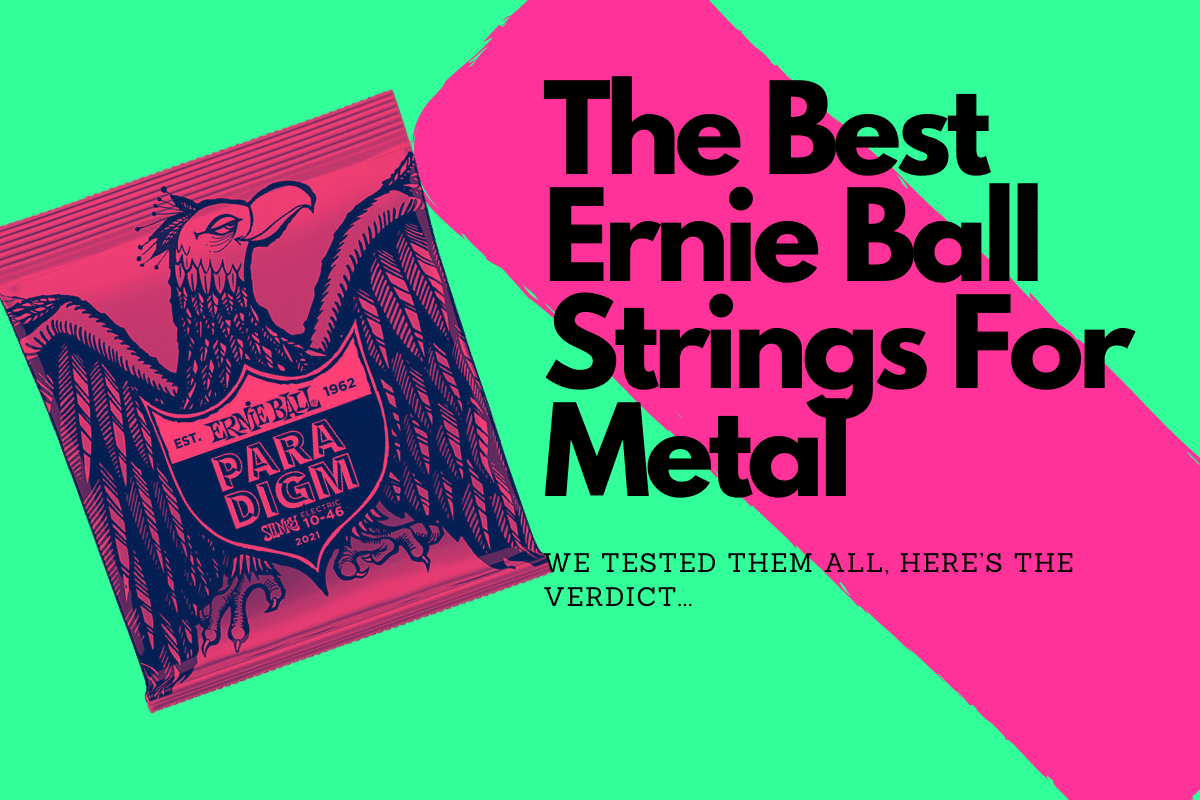
Best Ernie Ball Strings For Metal: My Top Picks Right Now
What Factors Should You Consider When Choosing Strings For Metal? When it comes to metal guitar, having the right strings is crucial. You need that thick, heavy sound, solid tuning stability even when riffing hard, and slick playability to shred those lightning solos. I’ve tested my fair share of string sets to find the best…
-

Best Strings For Drop D Tuning: Get Perfect Tension & Tone
If you’re tuning down to Drop D from standard tuning, you might want to think about switching up your strings. But what are the best strings for Drop D tuning? Let’s find out… Drop D tuning is an immensely popular guitar tuning used by loads of players in quite a few different genres of music…
-

Best Strings For Drop Tuning: From D Standard To Drop A…
Here’s a handy table that details all the best strings for drop tunings – from D Standard to Drop A…. Chances are, if you’re on this site, reading about drop tunings on guitar, you like metal or doom or sludge and you want to start playing in lower tunings to dial in that HEAVY guitar sound.…